
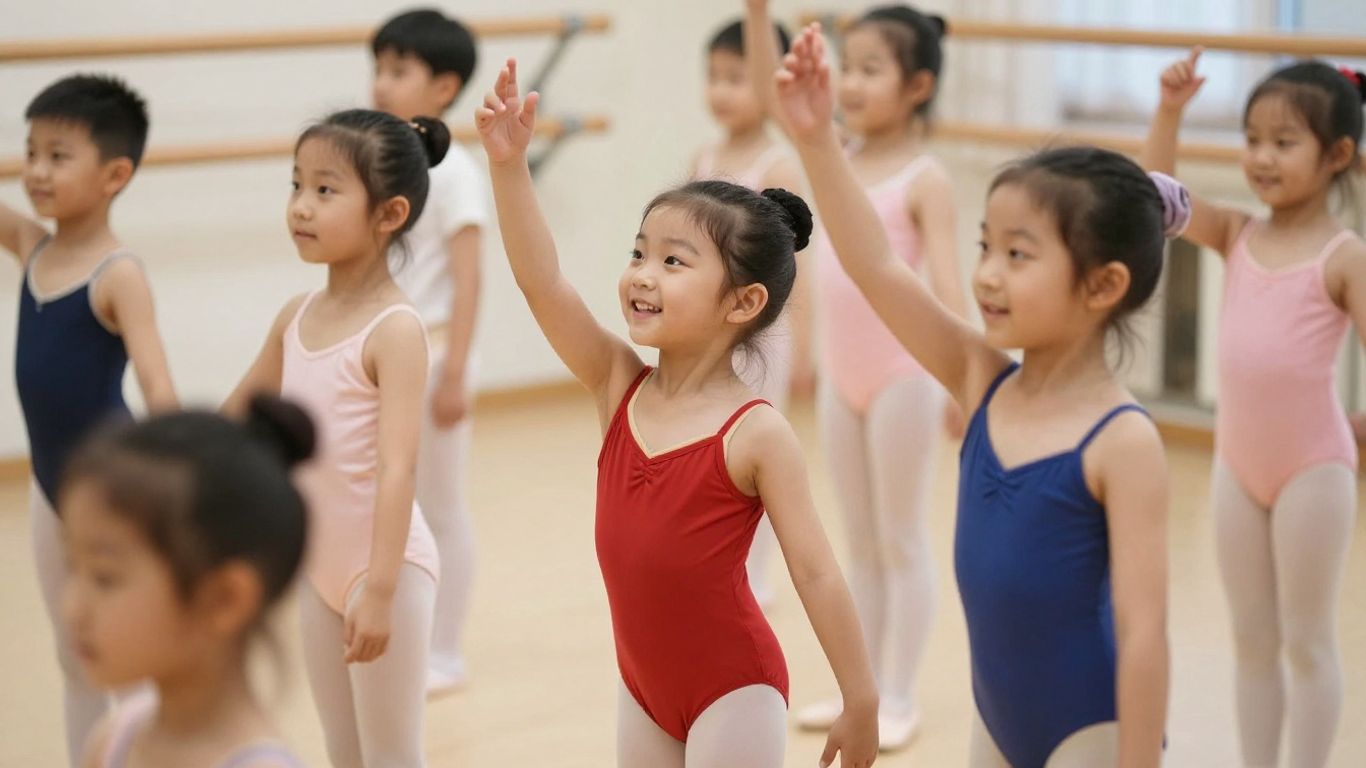
So, you’re wondering when to sign your little one up for dance classes here in Hamilton? It’s a common question, and honestly, there’s no single ‘right’ answer. Kids develop at their own pace, and what works for one might not be the best fit for another. But we can definitely look at the benefits and what different age groups can get out of hitting the dance floor. It’s all about finding that sweet spot where they can have fun and learn.
Key Takeaways
- Young children benefit physically from dance, improving balance and coordination.
- Dance classes help kids develop memory, discipline, and learn to work with others.
- Toddlers can start with simple movement and music classes, often with a caregiver.
- Preschoolers can begin learning basic steps and following directions in a structured class.
- Older kids can explore various dance styles and focus more on technical training.
Understanding the Benefits of Early Dance Exposure
Getting kids involved in dance early on can be a really positive thing. It’s not just about learning steps; there are so many early childhood dance benefits that help kids grow in different ways. These classes provide a fantastic foundation for physical, cognitive, and social development.
Physical Development: Coordination, Balance, and Strength
Dance is a great way for little ones to get their bodies moving. When they’re just starting, even simple movements help them figure out how their body works. They learn to move different parts of their body at the same time, which is a big step in coordination. Hopping, skipping, and jumping all work on building leg strength and improving balance. It’s like a fun workout disguised as play.
- Improves gross motor skills like jumping and running.
- Develops fine motor skills through smaller, precise movements.
- Builds stamina and muscle tone.
Movement is a child’s first language. Dance taps into this natural inclination, allowing them to express themselves physically before they can fully articulate with words. This early engagement with their bodies sets the stage for a lifetime of healthy activity.
Cognitive and Social Growth: Memory, Discipline, and Teamwork
Beyond the physical stuff, dance classes do wonders for a child’s brain and how they interact with others. Learning a sequence of steps requires memory and focus. Following instructions from a teacher helps build discipline. And when they dance with others, they start to learn about teamwork and cooperation. It’s a place where they can learn to share space and move together, which is a big deal for young kids. This kind of interaction is key for developing social skills, and you can find programs that focus on this, like parent-child dance classes.
- Enhances memory through learning choreography.
- Teaches listening skills and the ability to follow directions.
- Promotes patience and perseverance.
- Encourages interaction and cooperation with peers.
Age-Specific Considerations for Starting Dance
Figuring out the right dance readiness age for your child can feel like a puzzle. Every kid is different, and what works for one might not be the best fit for another. But generally, there are some age ranges that tend to work well for introducing children’s dance lessons.
Toddlers (Ages 2-3): Introduction to Movement and Music
At this age, it’s all about exploration and fun. Think of these classes as a playful introduction to moving to music. The focus isn’t on perfect technique, but on letting little ones wiggle, jump, and explore their bodies in a safe, engaging environment. Often, these classes involve a caregiver participating alongside the child, making it a bonding experience too.
- Focus on: Gross motor skills, listening to rhythms, and social interaction.
- Activities: Simple songs, moving with props like scarves, and basic steps like marching or hopping.
- Goal: To build comfort with movement and a positive association with music and group activities.
Preschoolers (Ages 4-5): Developing Basic Skills and Following Instructions
Preschoolers are usually ready to start following directions more independently. Classes at this stage begin to introduce more structured movement and basic dance steps. They’re still very much about imagination and play, but with a bit more direction. This is a great time to see if your child enjoys structured movement and can pay attention for short periods.
- Learning: Basic ballet positions, simple choreography, and taking turns.
- Class Structure: Often includes a warm-up, learning a new step or two, practicing a short dance, and a cool-down.
- Benefits: Improved coordination, memory for steps, and understanding of classroom etiquette.
Early Elementary (Ages 6-8): Exploring Different Dance Styles
Kids in this age group have a longer attention span and can grasp more complex concepts. This is an ideal time to let them try out different dance styles to see what sparks their interest. Whether it’s ballet, jazz, tap, or a combination class, they can start to develop a more refined sense of technique and musicality.
- Style Exploration: Ballet, Jazz, Tap, Hip Hop, and Combo classes are popular.
- Skill Development: Focus on posture, rhythm, basic turns, and jumps.
- Engagement: Classes are still fun and engaging, but with a clearer emphasis on learning dance technique.
Older Children (Ages 9+): Increased Focus and Technical Training
By this age, children often have a clearer idea of what they enjoy and can commit to more focused training. They are capable of understanding and executing more intricate choreography and developing advanced technical skills. This is when many students start to seriously consider specific dance genres and potentially more intensive training programs.
- Technical Focus: Refinement of technique, strength building, and flexibility.
- Choreography: Learning longer and more complex routines.
- Commitment: Students can handle longer class durations and a more disciplined approach to practice.
When considering when to start, remember that a child’s interest and emotional maturity are just as important as their age. Some children might be ready for more structured classes earlier, while others might benefit from waiting a bit longer. The key is to find a program that aligns with your child’s individual pace and personality, like the age-specific programs at CM Dancing.
Choosing the right time is about observing your child’s cues and finding a class that feels right for them, not just following a strict age guideline. It’s about nurturing their love for movement and dance in a way that feels natural and enjoyable.
Choosing the Right Dance Class in Hamilton
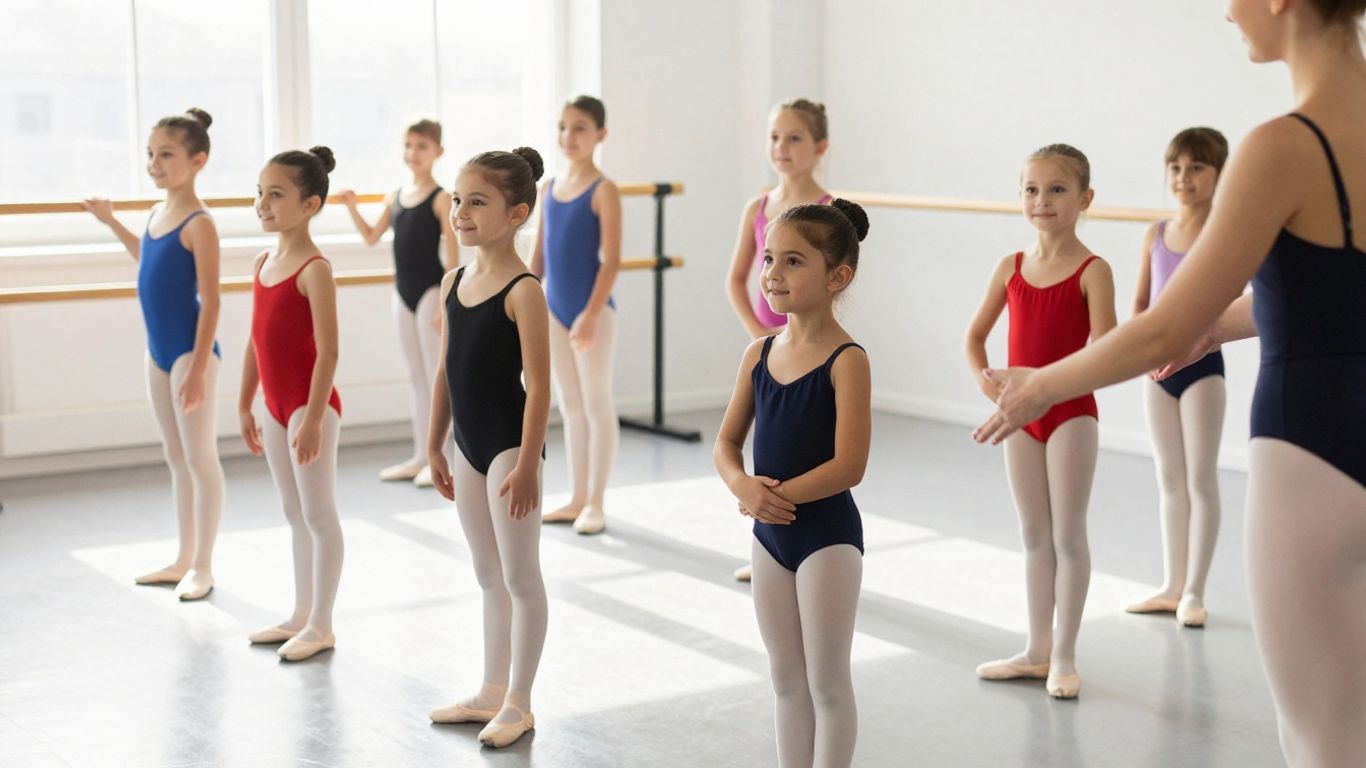
So, you’ve decided dance classes are a good idea for your kiddo, and you’re looking around Hamilton for options. That’s great! But with so many studios and styles, how do you pick the one that’s actually a good fit? It can feel a bit overwhelming, I get it. The key is to find a place that matches your child’s personality and your family’s goals.
When you’re checking out different studios, here are a few things to keep in mind:
- The Vibe: Does the studio feel welcoming? Look at the teachers and how they interact with the students. Are they encouraging and positive? A good atmosphere makes a big difference, especially for younger kids in toddler dance classes Hamilton or preschool dance programs Ontario.
- Class Structure: What’s the class size like? Smaller classes often mean more individual attention, which is great for learning technique. Also, consider the schedule – does it work with your family’s routine?
- Teacher Qualifications: While not every teacher needs to be a world-famous dancer, they should have a solid understanding of dance technique and child development. Ask about their training and experience.
- What They Teach: Does the studio offer the styles you’re interested in? Some focus on specific genres, while others have a wider range. Make sure their approach aligns with what you’re looking for, whether it’s fun movement for toddlers or more serious training for older kids.
It’s also a really good idea to see if you can take a trial class. This gives your child a chance to experience the class firsthand without a long-term commitment. Plus, it lets you observe how the teacher manages the class and how your child responds. Don’t be afraid to ask questions – the studio staff should be happy to help you understand their programs and what makes them unique.
Finding the right dance class isn’t just about the steps; it’s about the whole experience. It’s about a place where your child feels safe to explore, learn, and grow. A good studio will support their journey, celebrate their progress, and help them discover a love for movement.
Conclusion: Finding the Perfect Fit for Your Child
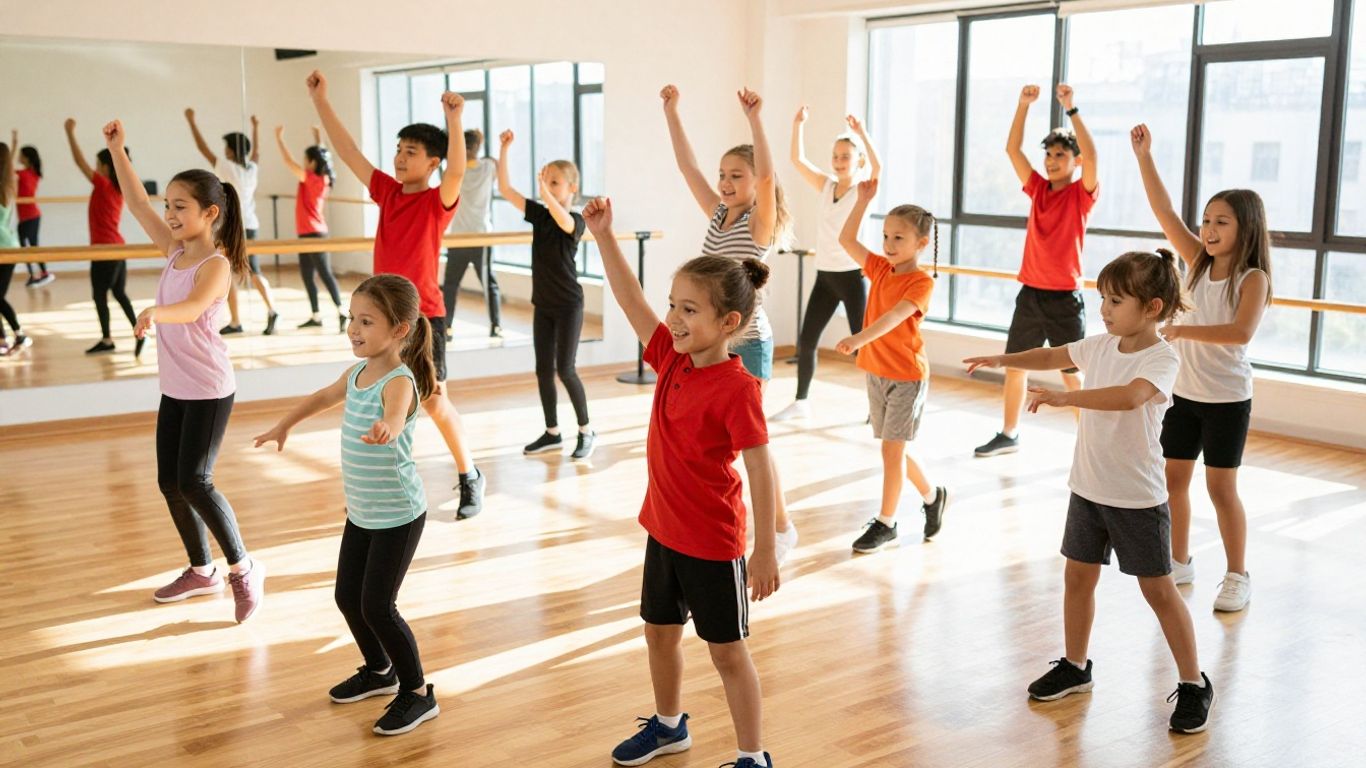
So, you’ve explored the benefits and age-specific considerations for dance classes in Hamilton. Now comes the exciting part: finding that perfect studio and class for your little mover. It’s not just about the steps; it’s about creating a positive experience that builds confidence and a love for movement.
When you’re looking for a dance studio, keep a few things in mind:
- The Vibe: Does the studio feel welcoming and supportive? Look for a place where instructors genuinely care about each child’s progress, not just the most talented ones. A good studio will have a clear philosophy on how they approach dance education.
- Class Structure: Are the class sizes appropriate for the age group? Smaller classes often mean more individual attention, which can be really helpful for young dancers. Also, check if they offer different levels or styles that might suit your child’s interests as they grow.
- Instructor Qualifications: While passion is key, experienced instructors who understand child development can make a big difference. Don’t hesitate to ask about their training and teaching methods.
Trying out a class is often the best way to see if it’s a good match. Many studios offer trial classes, which is a fantastic opportunity for your child to get a feel for the environment and the teaching style. It’s also a chance for you to observe how the instructor interacts with the students and how your child responds. Parent involvement, even just by being present during trial classes, can help your child feel more comfortable and confident.
Remember, the goal is to find a place where your child feels happy, challenged, and inspired. Whether it’s their first “Dance with Me” class or they’re ready to explore more advanced techniques, the right studio in Hamilton will help them create wonderful memories and develop a lifelong appreciation for dance. You can explore options like CM Dancing to see what they offer for various age groups and styles.
Finding the right dance class for your child is an exciting journey! We offer a variety of programs designed to suit every child’s interests and skill level. Whether they’re just starting out or looking to compete, we have a spot for them. Explore our class options today and take the first step towards a fun and enriching dance experience. Visit our website to see all the amazing classes we have available!
So, When Should Your Little Star Hit the Dance Floor?
Figuring out the perfect time to start dance classes in Hamilton really comes down to your child. We’ve seen little ones as young as 18 months join in with a grown-up, and honestly, it’s adorable! By age 3, they can usually jump into classes on their own, and by 4, there are even more styles to explore. The main thing is to find a class that feels right for them – something fun and engaging. Whether it’s a parent-and-me class or a more structured lesson, the goal is for them to enjoy moving and learning. Don’t stress too much about picking the ‘absolute best’ age; just look for a program that fits your child’s energy and interests, and let them have a blast discovering the joy of dance!
Frequently Asked Questions
What’s the youngest age a child can start dancing in Hamilton?
You can enroll your little one in dance classes as early as 18 months old! These classes are designed for a child to dance with a grown-up, like a parent or caregiver. Once kids turn 3, they can join our Pre-Level classes and dance on their own. At age 4, they’re ready for Level 1 classes, where there are even more dance styles to explore.
What are the benefits of dance for young kids?
Dancing is super beneficial for kids! It helps them get better at moving their bodies, like improving balance and coordination. It also helps their brains grow by teaching them to remember steps and follow directions, which builds discipline. Plus, dancing in a group teaches teamwork and how to be a good friend.
How do I pick the right dance class for my child?
It’s all about finding the perfect fit! Think about what your child enjoys. Are they energetic and love to move? Maybe hip hop or jazz is a good start. Do they enjoy more structured movement? Ballet could be a great option. Many studios offer combo classes that mix styles, which is a fantastic way for kids to try different things before choosing one. Don’t hesitate to ask the studio for advice; they’re there to help you find the best class for your child’s personality and interests.
Should I look for a specific type of dance studio in Hamilton?
When choosing a studio, look for one that feels welcoming and has instructors who are good with kids. It’s great if they offer classes for different age groups and skill levels. Check if they have a clear schedule and understand their approach to teaching. Many studios in Hamilton also offer trial classes, which is a wonderful way to see if your child enjoys the environment and the teaching style before committing.
What should my child wear to dance class?
Generally, comfortable clothing that allows for easy movement is best. This could be leotards, tights, leggings, or fitted shorts and tops. Some specific classes, like ballet, might have stricter dress codes. It’s always a good idea to check with the dance studio beforehand. For younger kids in ‘Mommy and Me’ style classes, comfortable clothes for both the child and the caregiver are usually fine.
What if my child is shy about starting dance class?
It’s completely normal for kids to feel a little shy at first! Many studios offer introductory classes or ‘dance with me’ sessions where a parent can join in, which can make it less intimidating. The key is to create a supportive and fun environment. Remind your child that everyone is learning, and focusing on the fun of moving to music can help ease their nerves. Most instructors are experienced in helping shy children feel more comfortable over time.


