
Here at CM Dancing, one of the most common questions we hear from new families is simple: “Which ballet class is right for my child?” It is a great question, and the answer depends on more than just age. Understanding how ballet levels work at a recreational studio helps you feel confident from day one and helps your child walk into their first class ready to shine.
This guide breaks it all down clearly, from what each level covers to how we decide where your child fits best.
Key Takeaways
- Recreational ballet prioritizes joy, confidence, and age-appropriate skill building over competitive or professional training.
- Classes at CM Dancing are grouped primarily by age to match each child’s physical and social development.
- Placement also considers a child’s readiness, prior experience, and how they engage in class.
- Children move up a level when their skills, focus, and physical readiness show they are ready for the next challenge.
- The goal is simple: your child leaves every class feeling proud, capable, and excited to come back.
Curious what a typical class looks like? Explore our children’s ballet classes in Hamilton to see how we structure learning by age and level.
What “Ballet Levels” Actually Mean at a Recreational Studio
When parents hear the words “ballet levels,” many picture intense training, strict auditions, or serious professional programs. At a recreational studio like CM Dancing, it works quite differently.
Levels are simply a way of grouping children so that what they are learning matches where they are developmentally. A four-year-old and a ten-year-old have very different attention spans, coordination, and physical abilities. Grouping them separately means every child gets instruction that actually fits them, which makes learning faster, more fun, and far less overwhelming.
Recreational Ballet vs Pre-Professional Ballet: What Is the Difference?
Recreational ballet is built around enjoyment, confidence, and foundational skill building. Classes run once or twice a week, and there is plenty of space in a child’s life for school, sports, and other activities. The focus is on the experience of dance, not on training for a professional career.
Pre-professional ballet is a much deeper commitment. Students in these programs often train five or more days a week across multiple disciplines. The goal is career preparation, and the pressure reflects that. It is the right path for a small number of very dedicated students, but it is not where most children begin or need to be.
If you are looking for a joyful, low-pressure start to dance, recreational is the right choice. Explore our recreational dance program to see how CM Dancing keeps every class fun and pressure-free.
Why Levels at a Recreational Studio Look Different Than What You See Online
The competition videos and polished performances you see online represent years of specialized training. Recreational studios like ours are building something different: a genuine love for movement, strong foundational habits, and the kind of confidence that carries children well beyond the dance floor.
At CM Dancing, we have been doing this for over 20 years. Our levels are designed to meet children where they are and grow with them, not to rush them toward a performance standard they are not ready for.
Ballet Levels by Age: A Simple Breakdown for Parents
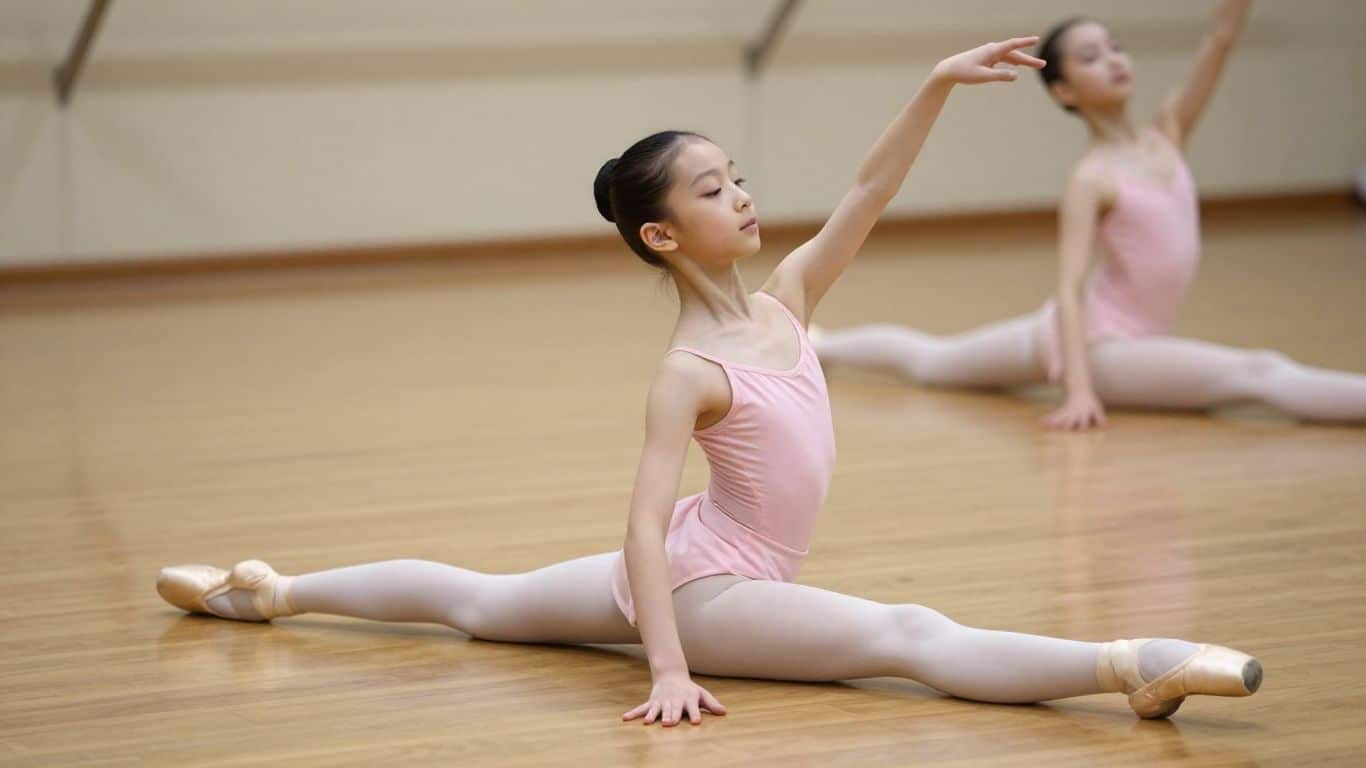
Every studio structures its levels slightly differently. At CM Dancing, our children’s ballet classes follow a clear progression built around age and developmental readiness. Here is what each stage looks like and what your child will experience.
To find the right starting point for your child right now, visit our dance classes by age group page.
Tiny Tot and Pre-Ballet (Ages 18 Months to 4 Years)
These are our youngest dancers, and their classes reflect that beautifully. There is no pressure here, only play. Classes focus on basic movement, listening skills, rhythm exploration, and imagination. We use music, props, and simple games to introduce children to the joy of moving their bodies in new ways.
Parents are often welcome to participate alongside their little ones in these sessions, which makes the experience feel safe and exciting at the same time.
What children explore in Tiny Tot and Pre-Ballet:
- Creative movement and natural, expressive ways of moving
- Basic rhythm and music awareness through clapping, marching, and moving to different tempos
- Early social skills like taking turns, following simple directions, and working alongside peers
Beginner Ballet Classes (Ages 4 to 7)
This is where more structured ballet training begins. Children start learning the fundamental positions of the feet and arms, basic steps like pliés and tendus, and simple port de bras, which is the carriage of the arms. Every concept is introduced with care and patience.
At CM Dancing, our instructors in this level are exceptionally skilled at keeping four to seven year olds engaged. We know that attention spans are short, so every class balances structure with play. The goal is a strong foundation and a child who genuinely looks forward to coming back each week.
What beginner ballet classes cover:
- Barre work: simple exercises done while holding onto the ballet barre to build balance and body awareness
- Center work: basic steps and short combinations performed in the middle of the room
- Musicality and coordination: learning to move with the music and connect one step to the next
Intermediate Children’s Ballet Classes (Ages 7 to 10)
As children grow, so does the depth of what they learn. In our intermediate classes, the technical demands increase in a way that feels natural and achievable. Students work on more complex combinations, develop precision and control, and begin to build real strength through consistent barre and center work.
This is also where children start developing a stronger understanding of ballet vocabulary and musicality. Many of our students at this level tell us this is where ballet really starts to feel exciting, because they can finally feel themselves improving week to week.
What intermediate classes build toward:
- More challenging barre exercises that develop strength and flexibility
- Longer center combinations that require focus and coordination
- Introduction to allegro, which includes faster, jumping steps
Advanced Levels for Older Kids and Teens
These classes are for students who have been dancing consistently and are ready for a more refined challenge. The focus shifts toward artistry, performance quality, and stamina. Students work on more complex choreography, and those who meet the physical requirements and receive instructor approval may begin exploring pointe work.
Even at this level, CM Dancing’s approach remains grounded in the recreational philosophy: growth over pressure, and personal achievement over comparison. Advanced students often perform in our annual dance recital, which gives them a meaningful stage experience to work toward.
What to Expect in Your Child’s First Beginner Ballet Class
Many parents tell us they were nervous before their child’s first class, mostly because they did not know what to expect. Here is exactly what a first beginner ballet class at CM Dancing looks like.
Classes begin with a warm-up, gentle movements that prepare the body and signal to the children that it is time to focus and have fun. From there, the class moves to the barre, where children practice standing tall, learning basic foot positions, and doing simple exercises like pliés. After barre work, the class moves to the center of the room for short combinations and creative movement activities.
A typical first class looks like this:
- Greeting and warm-up: the teacher welcomes the children and leads them through gentle, energizing movements
- Barre work: children hold onto the barre and learn foundational positions and simple exercises
- Center work: basic steps and short combinations are introduced in the middle of the room
- Creative movement: especially for younger children, props and imaginative play are woven into the class
- Cool-down and goodbye: a few calming stretches and a cheerful send-off
If your child is shy or unsure at first, that is completely normal. Our instructors at CM Dancing are experienced at helping children settle in. We never pressure a child to participate before they feel ready, and we celebrate every small moment of bravery.
Before their first class, check our dress code guide so your child arrives comfortable, prepared, and ready to move.
Ready to see it for yourself? Book a free trial class and let your child experience their first beginner ballet class at CM Dancing. No pressure, just fun.
How Do Studios Decide Which Level Your Child Belongs In?
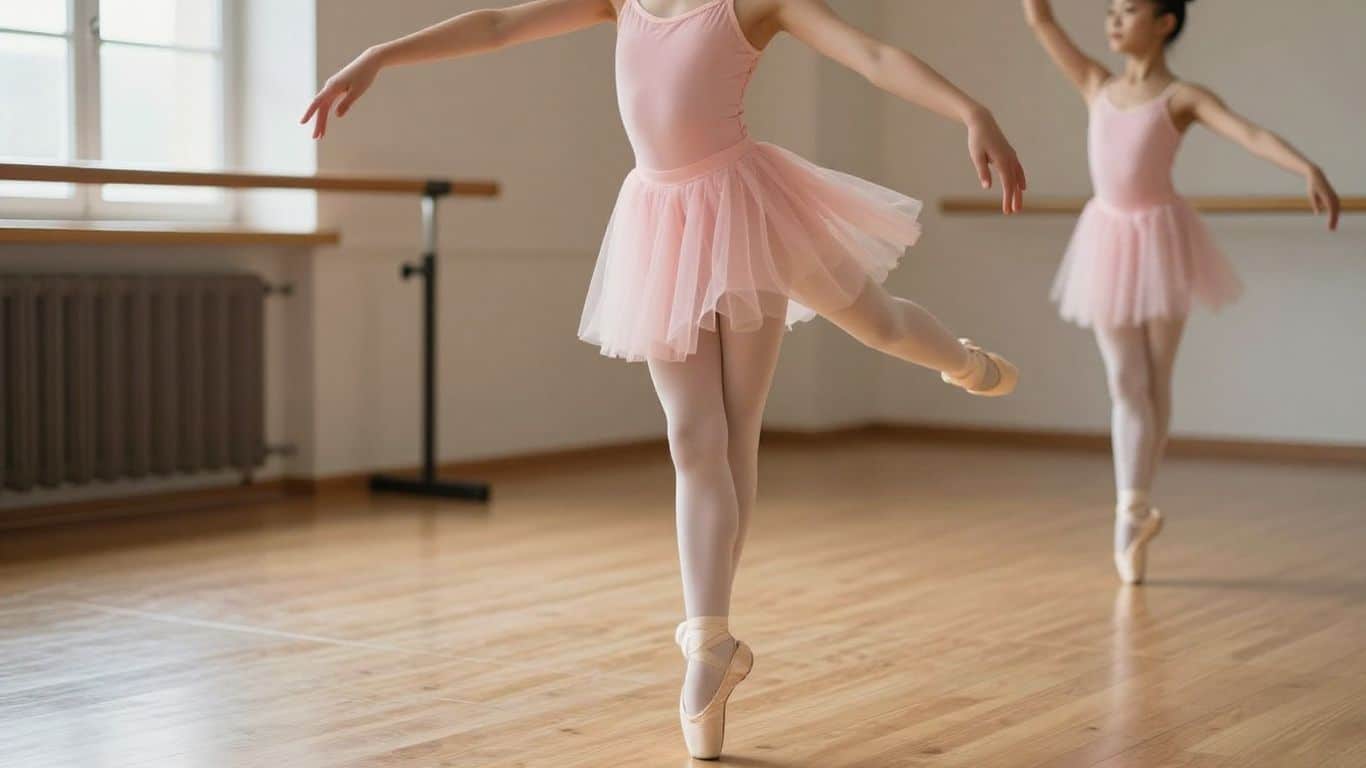
At CM Dancing, placement starts with age. Children develop at predictable rates physically and socially, so age-based groupings give every child peers who are at a similar stage. This makes class more enjoyable, less intimidating, and far more effective for learning.
Beyond age, we also consider:
- Previous experience: Has your child taken ballet before, even briefly? That background matters, and we factor it in to make sure they are neither bored nor overwhelmed.
- Physical readiness: Simple things like balance, the ability to follow directions, and basic coordination tell us a lot about where a child will thrive.
- Enthusiasm and focus: A child who is engaged, curious, and willing to try tells us they are ready for a level that will challenge them appropriately.
If we ever feel that your child would be better served in a different class, we reach out directly. Placement is not a one-size-fits-all decision at CM Dancing. We look at the whole child, and we stay in communication with families throughout the year.
Check our class schedule and calendar to find the right session time for your family.
When Does My Child Move Up to the Next Ballet Level?
Level advancement at CM Dancing is not based on age alone. It is based on readiness, and readiness shows up in several clear ways. Our instructors watch for these signals throughout the year:
- Mastery of basic technique: Can they perform the fundamental steps, such as pliés, tendus, and basic jumps, with correct form and reasonable control?
- Musicality and rhythm: Do they follow the music, count the beats, and connect their movement to what they hear?
- Coordination and balance: Can they hold positions and move between steps without losing stability?
- Focus and responsiveness: Do they listen to corrections and apply them in the moment?
- Physical readiness: Are they developing the strength and flexibility needed for the next level’s demands?
At CM Dancing, we typically evaluate students for advancement at the end of each session and after our annual recital. If your child is progressing consistently and seems genuinely ready for more, their instructor will be the first to bring it up. We never rush a child forward before they are ready, and we never hold a capable dancer back out of routine.
If you ever have questions about your child’s progress, we encourage you to speak directly with their instructor. That conversation is always welcome and often gives parents real peace of mind.
We also find that reading about the broader benefits of dance helps families appreciate the full picture. Our blog on why dance lessons are as important as math is a great place to start.
Why CM Dancing’s Recreational Ballet Classes Are the Right Fit
CM Dancing has been Hamilton’s home for recreational dance for over 20 years. In that time, we have welcomed thousands of children through our doors, from 18-month-old Tiny Tots taking their first wobbly steps to teens performing confidently on stage.
What makes our approach work is not just what we teach. It is how we teach it. Our classes are built around three core commitments:
- Developmentally appropriate curriculum: Every class is designed specifically for the age group it serves. The steps, the music, and the activities are chosen because they are right for that stage of development, not because they look impressive.
- Flexible scheduling: We offer classes throughout the week, including weekends, because we know Hamilton families are busy. Younger children are scheduled earlier in the day so they arrive fresh and ready to focus.
- Encouraging, experienced instructors: Our teaching team genuinely loves working with children. They celebrate effort over perfection, and every child in our studio feels seen.
We are not trying to train the next professional ballet star, though some of our students have gone on to pursue dance seriously. Our goal is to give your child an experience they love, skills they are proud of, and a community where they truly belong. If you are exploring options beyond the regular season, our blog on finding the perfect dance camp for your child is worth a read too.
Register now and let us find the right ballet level for your child.
Ready to Find the Right Ballet Level for Your Child?
You now know how ballet levels work, how placement decisions are made, and what your child will experience from their very first class. The next step is simple: reach out and let us help you find the perfect fit.
Here is how to get started:
- Consider your child’s age: This is always our starting point and gives us a strong foundation for the conversation.
- Think about their experience: Has your child taken ballet before, even briefly? That prior experience helps us place them in a class where they will feel comfortable and genuinely challenged from day one.
- Notice their personality: A child who loves jumping in will have a different ideal starting point than one who needs a little more time to warm up. Both are completely welcome here.
- Talk to us: This is the most important step. We are happy to answer your questions, walk you through our current class options, and make sure your child starts in exactly the right place.
Still unsure? We are here to help. Contact us today. We would love to talk through the options with your family.
CM Dancing has been Hamilton’s trusted home for recreational ballet for over 20 years. Whether your child is 18 months or 13 years old, there is a level made for them. View our ballet classes to get started today.
Conclusion
Choosing the right ballet class for your child is really about finding a place where they feel welcome, supported, and excited to grow. At CM Dancing, our recreational ballet program is built around exactly that. Every level, every class, and every instructor is here to make sure your child’s dance journey starts on the right foot and keeps getting better from there.
Every child progresses at their own pace. We celebrate that. The journey matters just as much as the destination, and we are proud to be part of it.
Frequently Asked Questions
What is the difference between recreational ballet and a pre-professional program?
Recreational ballet is designed for children who want to enjoy dance, build confidence, and develop foundational skills in a low-pressure environment. Classes typically run once or twice a week and leave plenty of room for other activities. Pre-professional programs involve much more intensive training, often five or more days a week, and are designed for students pursuing dance as a career. At CM Dancing, our recreational program is perfect for children who love to dance and want to grow at their own pace.
How do I know which ballet level is right for my child?
Age is our primary starting point. Tiny Tot classes welcome children from 18 months, Beginner classes are designed for ages 4 to 7, Intermediate classes suit children aged 7 to 10, and Advanced classes serve older kids and teens. When you contact us, we will ask a few simple questions about your child and help you find the best fit right away.
What will my child actually do in their first beginner ballet class?
Your child will start with a gentle warm-up, move to the barre for basic positions and simple exercises like pliés, then work in the center of the room on short combinations. Younger classes include creative movement and imaginative play. The first class is always about getting comfortable, building excitement, and leaving with a smile.
How does CM Dancing decide which level a child should be placed in?
We start with age, then consider prior experience, physical readiness, and how a child engages in class. If we ever feel a different class would serve your child better, we reach out directly. Our goal is always to find the level where your child feels challenged, supported, and happy.
When will my child move up to the next level?
Advancement is based on readiness, not just age. Our instructors look for consistent technique, good musicality, improved coordination, and a child who is genuinely ready for new challenges. We evaluate students at the end of each session and after our annual recital, and we always communicate with families before making any changes.
Is it okay if my child has no interest in becoming a professional dancer?
Absolutely. Most of our students dance simply because they love it, and that is exactly the environment we have built. Recreational ballet at CM Dancing is about joy, confidence, friendship, and a lifelong appreciation for movement. Every child who walks through our doors is welcome exactly as they are.


