Deciding between different paths in ballet can feel overwhelming for parents. At CM Dancing, we work with families weighing this exact choice every week, so understanding the structural differences between recreational and exam-based training allows you to make an informed choice for your dancer.
Key takeaways:
- Recreational ballet focuses on creative expression and physical health without the pressure of testing.
- Exam-based programs provide a clear, measurable roadmap for technical advancement.
- Consistency and clear goals are required for success in disciplined syllabus training.
- Finding the right school culture matters more than the specific curriculum chosen for most young dancers.
- Families should evaluate their own scheduling capacity before committing to a long-term training track.
What Is Recreational Ballet?
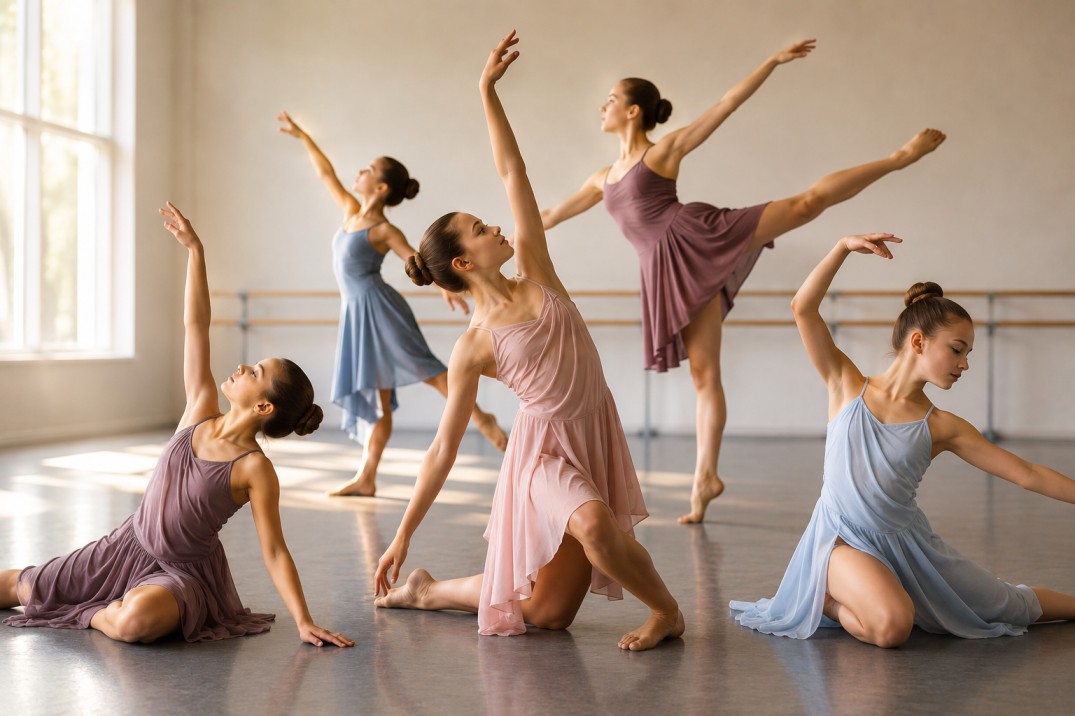
Many parents prioritize dance for its physical and social benefits, finding that a non-competitive environment serves their children best. Recreational classes emphasize movement discovery, musicality, and coordination over rigid technical grading. This approach lets students develop at their own pace while enjoying the simple experience of moving to music in a supportive studio.
Working within a low-pressure environment fosters a genuine love for the craft, since children can practice without worrying about external evaluation. This is especially valuable during a child’s early years, since removing performance anxiety helps them build a more durable, positive relationship with movement and physical activity. When parents ask is recreational ballet good enough, they’re really asking whether a formal syllabus is necessary to get real value from training. For most young dancers, the answer is no. Recreational classes still teach genuine ballet vocabulary, just within a relaxed, expressive framework.
Program Structure & Weekly Time Commitment
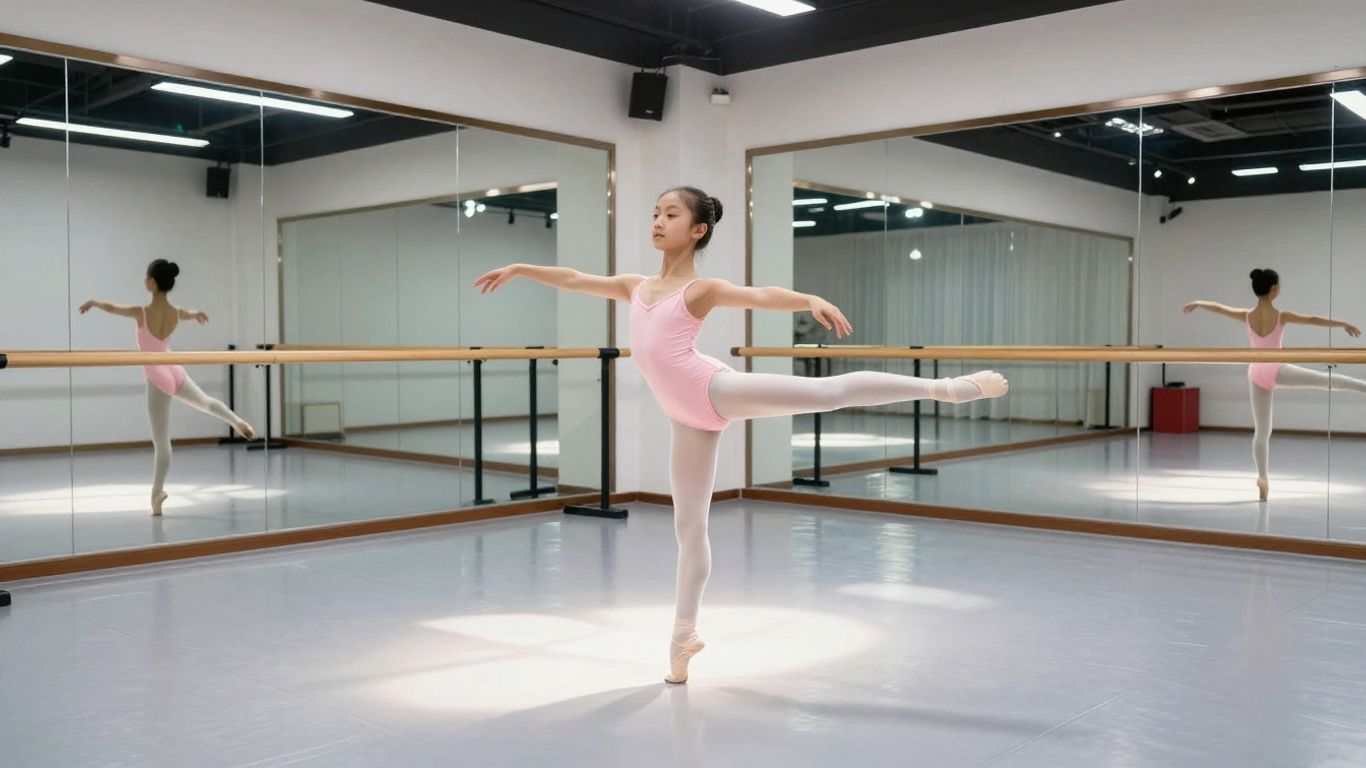
Recreational ballet programs are designed for students who want to enjoy the art form without the intensity of a competitive or professional track. Classes typically follow an age-based curriculum focused on introductory steps and expressive movement, keeping dance accessible regardless of a child’s natural aptitude.
Scheduling is intentionally light to fit busy family calendars:
- Younger dancers typically attend one 45-minute class per week.
- Intermediate students may add a second movement-focused class.
- More advanced recreational dancers might attend two sessions weekly to maintain strength and technique.
- Students generally move between levels based on age rather than formal testing.
This structure supports steady progress without the scheduling demands of an exam-track program. For a closer look at how placement and progression actually work outside the exam system, see our guide on how ballet levels work at a recreational studio.
What Is Exam-Based Ballet?
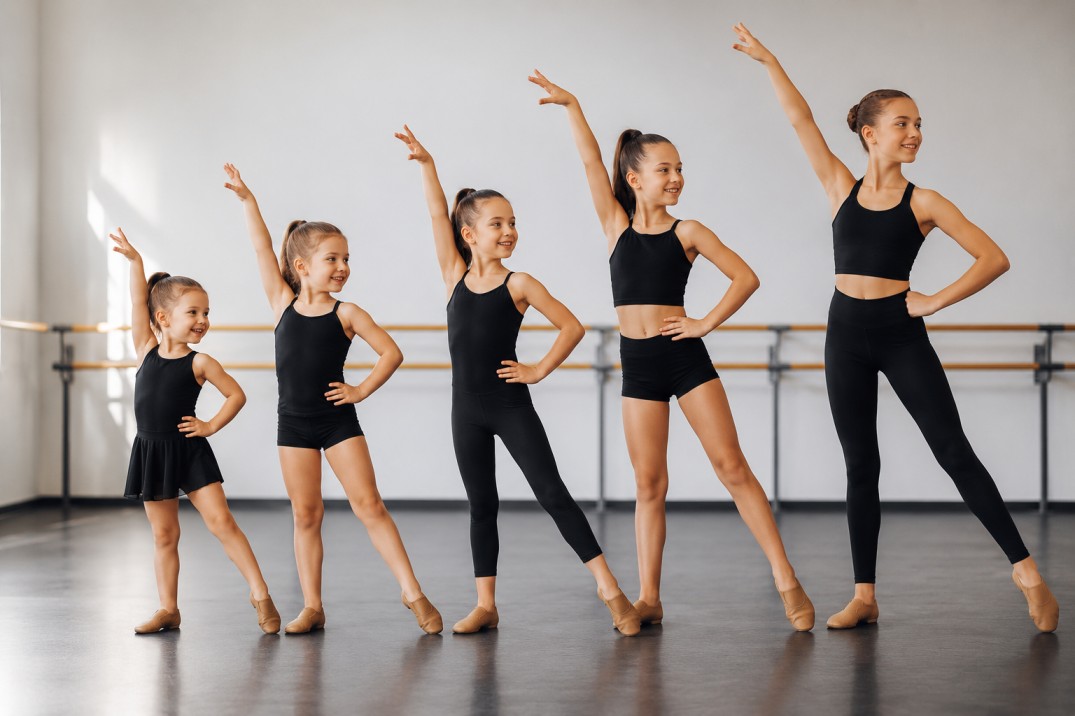
Structured, syllabus-based programs offer a disciplined approach for students who respond well to clear goals. Through formal testing, dancers learn to work toward specific milestones, often gaining a strong sense of accomplishment that carries into other areas of their lives. This path suits children who enjoy measurable progress and want to build technical foundations early.
How Graded Syllabi (like RAD) Work
Many exam-based programs follow an internationally recognized framework, such as the Royal Academy of Dance (RAD) curriculum. These syllabi give teachers a consistent structure to build on, ensuring no gaps form in a student’s technical development as they progress. Movement through each grade is linear and methodical: posture, turnout, and alignment are refined step by step according to international standards, preparing students for more advanced training later if they choose that path.
For families curious about RAD ballet exams for kids, the exams themselves are just one part of the picture. They serve as a checkpoint where an outside examiner gives structured feedback on a student’s technique, offering a level of expert insight that’s harder to replicate in a purely recreational setting. This process also teaches resilience, preparation habits, and the ability to accept constructive critique gracefully.
What Age Should Kids Start Ballet Exams?
There’s no single universal answer, but most syllabus-based schools look for readiness in two areas: physical development (turnout, posture, coordination) and emotional maturity (focus, patience, comfort with correction). In practice, many children begin working toward their first grade exam somewhere between ages 7 and 9, though this varies by school and by child. Rushing a student into exams before they’re ready can create unnecessary pressure. Most instructors would rather wait a term or two than set a child up for a discouraging first experience. If you’re unsure where your child currently fits, age-based ballet programs can help you find the right starting point before worrying about exams at all.
Recreational vs. Exam Ballet: Key Differences at a Glance
| Feature | Recreational Ballet | Exam-Based Ballet |
|---|---|---|
| Curriculum | Flexible | Standardized |
| Evaluation | Informal | Formal exams |
| Focus | Creativity | Precision |
Beyond curriculum structure, the two paths differ in how feedback is delivered day to day. In exam-focused classes, corrective feedback tends to be constant and specific: teachers continually fine-tune alignment to prevent injury and reinforce healthy movement patterns. This kind of repetition typically builds muscle memory and technical precision faster than a recreational pace allows.
Recreational classes, by contrast, offer feedback more organically, woven into a session focused on enjoyment and exploration rather than correction. Neither approach is “better” in absolute terms; they’re built for different goals. Some schools also align with specific international systems (RAD, for example, versus other methodologies), which can shape how technique is introduced and assessed over the years.
Practical Considerations: Cost, Schedule & Commitment
Logistics play a bigger role in this decision than most parents expect. Exam-based classes are often priced higher due to the specialization involved and the preparation required for formal testing, while recreational programs typically use a more flexible, modular fee structure that makes it easier to adjust class load over time.
Scheduling matters just as much as cost. Exam-track programs often require multiple weekly sessions to keep pace with syllabus requirements, and if those sessions involve significant travel, it can quickly affect your family’s day-to-day routine. It’s worth mapping out realistic weekly availability before committing to an exam path.
Don’t overlook the smaller recurring costs either: graded classes usually require specific, syllabus-mandated leotards, shoes, and exam entry fees, which add up over a season. You can check our dress code for what’s required in daily class, and our tuition and payment options for current pricing. Whichever path you choose, consistent parent support, whether that’s managing exam logistics or simply getting your child to their weekly recreational class, plays a real role in how much a child enjoys and sticks with ballet long-term.
Do Kids Need Ballet Exams to Progress?
Not necessarily. Exams are a tool for measuring and structuring technical growth, not a requirement for meaningful progress. A child in a well-taught recreational program can absolutely build strong technique, coordination, and confidence over time; they simply won’t have a formal grade attached to that progress. What matters more than the presence of exams is whether a child is in a class that challenges them appropriately and keeps them engaged. For some kids, that’s a syllabus with clear milestones. For others, it’s a lower-pressure environment where the joy of movement comes first.
Still not sure which direction makes sense for your dancer? Talk to one of our instructors at CM Dancing; we’re happy to walk through what to expect at either path before you commit to anything.
How to Choose the Right Ballet Program for Your Child
Making the right choice comes down to balancing your child’s current interests with their long-term goals, and being honest about what your family can realistically support week to week.
Signs Recreational Ballet Fits Better
- Your child enjoys movement and music but isn’t drawn to competition or grading.
- They’re still building focus and comfort with structured correction.
- Your family’s schedule works better with one class per week.
- Your child prefers a relaxed, low-pressure class atmosphere.
Signs Exam-Based Ballet Fits Better
- Your child actively seeks out clear goals and milestones.
- They show consistent enthusiasm and practice outside of class.
- They handle feedback and critique well, without becoming discouraged.
- Your family can commit to multiple weekly sessions and the associated costs.
Whichever direction feels right, it helps to remember that ballet is also a long game. Balancing training with rest, school, and other activities matters just as much as the technical path chosen, especially for younger children still discovering what they enjoy.
Can Your Child Switch Between Paths Later?
Yes, and it’s more common than parents expect. A choice made at age 5 doesn’t have to define a child’s entire dance journey. Many students move between recreational and exam tracks as their goals and interests change, and most studios can assess a student’s technical readiness to help them transition smoothly in either direction. Some dancers who start on a syllabus track later shift focus toward our competitive program for added performance opportunities, while others move the other way toward a more relaxed pace. Keeping this flexibility in mind takes the pressure off getting the “perfect” decision right from day one.
Ballet Programs at CM Dancing in Hamilton
At CM Dancing, we believe the right ballet path is the one that keeps your child engaged, confident, and genuinely enjoying class, whether that’s a relaxed pace or a more structured, goal-driven one. You can read more about our studio and instructors if you’d like to know who your child will be learning from. Our recreational ballet programs are built around age-appropriate progressions, giving dancers room to build real technique without the pressure of formal testing. For families in Hamilton exploring their options, our ballet classes welcome dancers at every stage, from first-timers to those looking to deepen their training.
If you’re unsure which path fits your child, our instructors are happy to talk through what to expect at each stage: no pressure, just an honest conversation about what will help your dancer thrive.
Book Your Child’s Free Trial Ballet Class
Not sure which path is right for your dancer? The easiest way to find out is to see them in class. Book a free trial ballet class at CM Dancing in Hamilton, and let our instructors help you find the right fit: no pressure, just an honest first step.
FAQs: Recreational vs. Exam Ballet
Have a question about scheduling, policies, or class logistics that isn’t covered here? Our full FAQ page covers everything else you might want to know before enrolling.
What are the main benefits of recreational ballet?
Recreational ballet centers on the enjoyment of dancing, creativity, and the physical benefits of movement, without the added stress of graded examinations.
Is it possible to switch from recreational to exam-based ballet?
Yes. Many students move between these tracks as their goals change, and most schools can assess a student’s technical readiness to support that transition.
Do children learn the same techniques in both formats?
Both tracks introduce core ballet vocabulary, but exam-based programs do so in a more structured, progressive, and standardized manner aimed at measurable development.
What is the typical age range for beginners?
Most studios introduce creative movement for toddlers, with structured ballet basics beginning for school-age children around five to seven years old.
How often should a student attend classes?
Recreational students often attend once a week, while exam-track students may attend multiple sessions to progress through their syllabus requirements effectively.
What do exam fees cover?
Exam fees typically cover the administrative costs of hosting an examiner, official grading materials, and student certificates.
How do I know if my child is ready for exams?
Readiness is usually assessed by the instructor, based on a student’s technical proficiency, consistent focus, and ability to handle feedback during regular class.