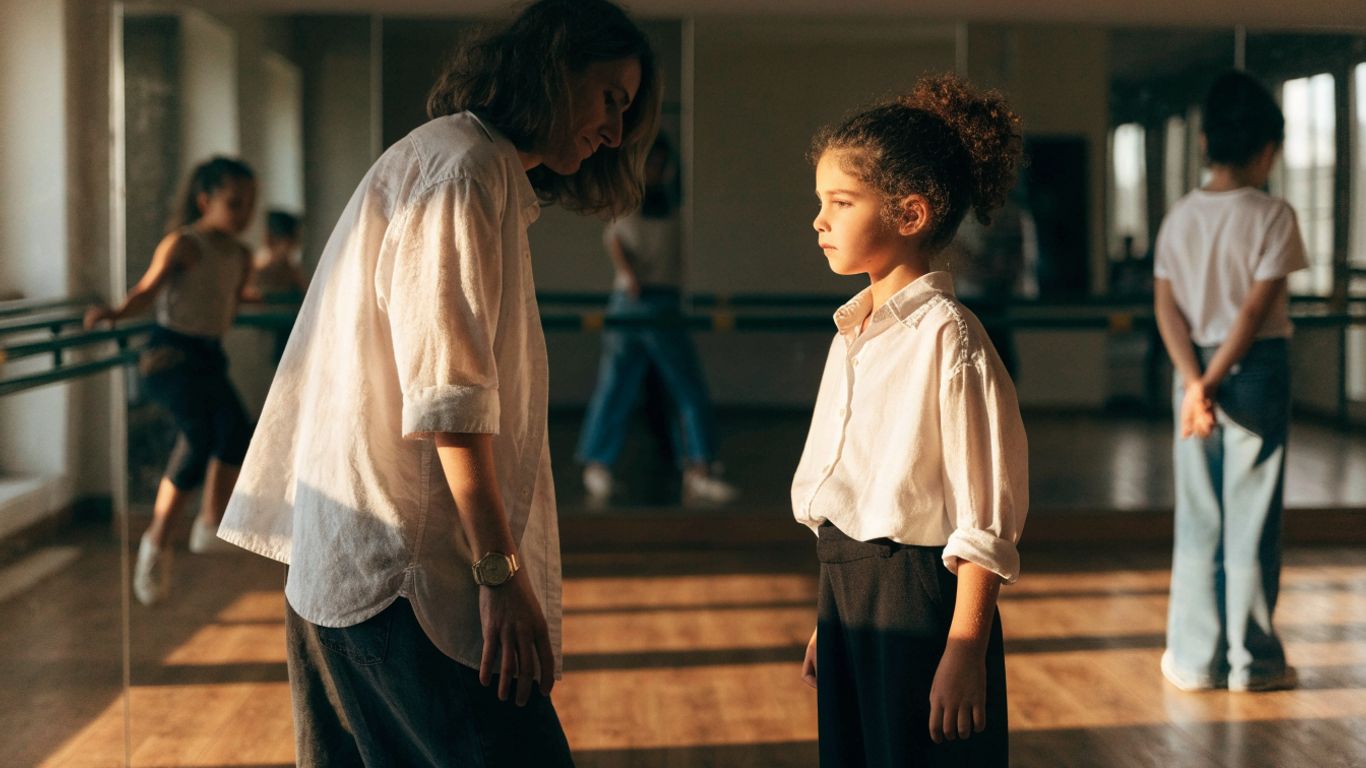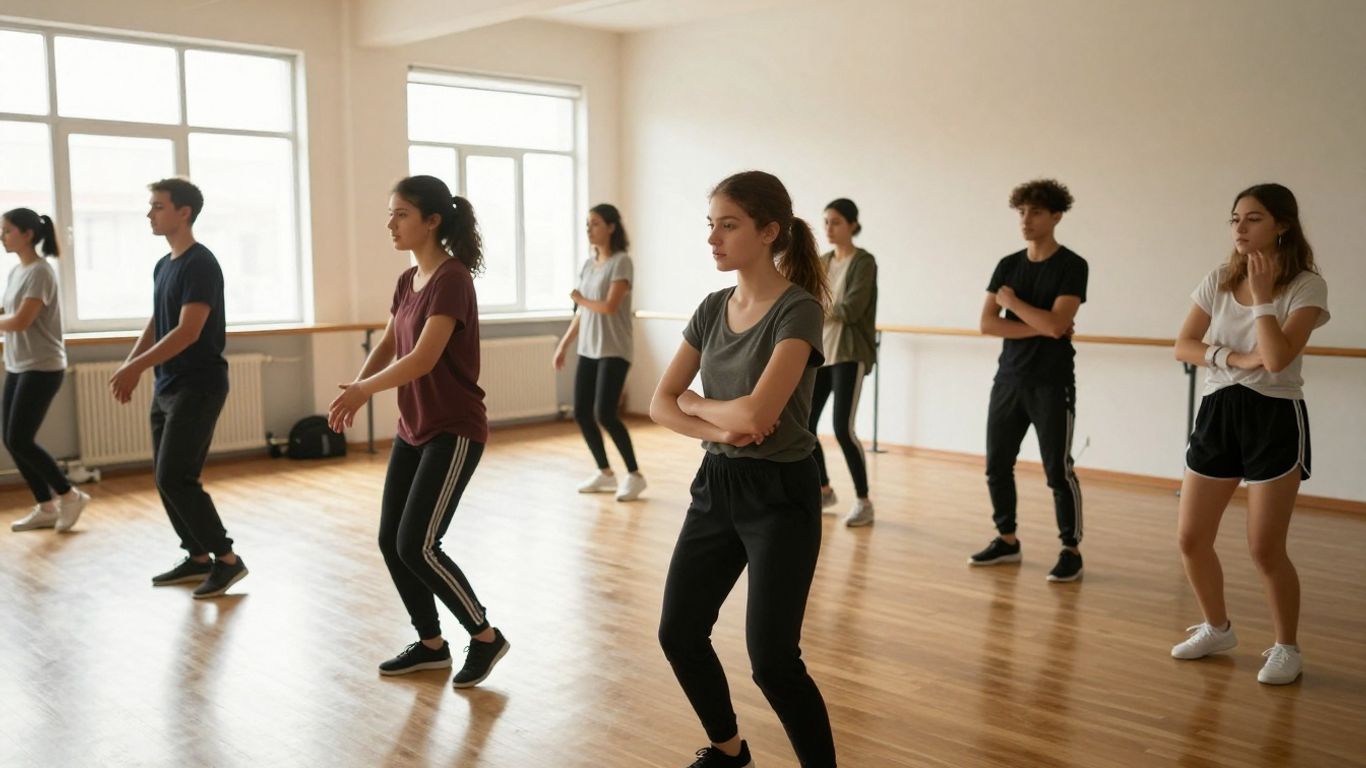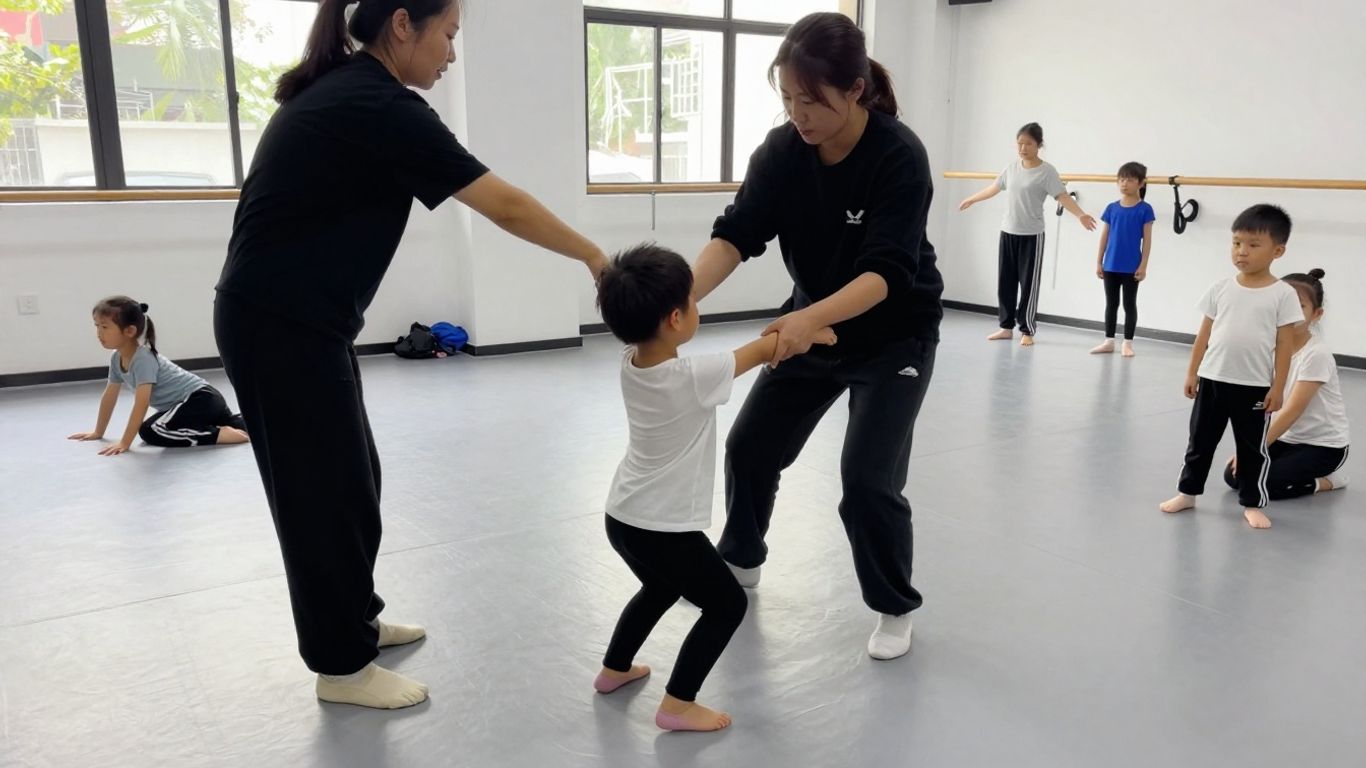
Picture a Saturday afternoon in the backyard. Your child has just landed a wobbly cartwheel on the lawn, and they are glowing. Then comes the next question: “Can I learn a walkover?” You smile, and then you wonder. How old is old enough? Is this safe?
If you search online, you’ll find plenty of numbers, and many of them disagree. One site says age five, another says wait until nine, and a third says it depends. The reason is simple: there is no official age at which every child can safely start acro tricks. Kids grow, gain strength, and build confidence at different speeds, and studios set their own age groups.
We’re a dance studio in Hamilton, Ontario, and parents ask us this question all the time. This guide walks through what readiness looks like, how cartwheels and walkovers differ, what a safe class does, and what to expect at a first class. By the end, you’ll know what to look for and what to ask, so you can decide with confidence.
Key takeaways
- No single birthday makes acro tricks safe for every child. Skills, control, and good teaching matter more than age.
- Kids can start beginner acro long before they try cartwheels or walkovers.
- Cartwheels and walkovers ask for different things from the body, so teachers prepare for each one separately.
- A trained teacher, a safe floor, and supervised practice make a class safer.
- A trial class is the easiest way to see if a class suits your child.
The Right Age to Start Acro Tricks for Kids: The Short Answer
Two children of the same age can be in very different places. One may be steady on their hands and eager to follow directions. Another may need more time to feel strong and balanced. Both are normal, and both can start acro in a beginner class.
So when parents ask about the age to start acro tricks for kids, we change the question. Instead of “How old are they?”, ask “What can they do with control, and who will be teaching them?” A class that fits your child’s age and level builds the steps to bigger tricks, so nothing gets skipped.
Why Readiness Matters More Than a Birthday
Think of readiness as a traffic light.
Green: Your child listens, waits for a turn, holds a simple balance, and says so when something hurts or feels odd. These children are ready for a structured beginner class.
Yellow: Your child loves tricks but has trouble waiting, following steps in order, or stopping when asked. They can still join a class, but their teacher will keep the work simple and slow.
Red: Your child is in pain, is recovering from an injury, or is scared of a movement. Pause, and let a teacher or doctor weigh in before going further.
Readiness also depends on the trick. Being ready for a forward roll does not mean being ready for a cartwheel. A teacher can watch your child move and choose the next step.
Acro Dance Age Requirements: Age Groups vs. Skill Levels
Studios handle acro dance age requirements in different ways. Some set a minimum age for each class. Others also look at what a child can already do. One beginner class may take any first-timer, while another expects certain basics.
Age groups keep a class organized, and skill levels tell the teacher what each dancer is ready to learn. Our Age Groups show how our classes are set up, including a tumbling class where kids build strength, balance, and flexibility through safe tumbling and tricks.
If your child is nervous about starting, the tips in our guide cover whether a child is too young or too shy to start tap work for acro too.
Safe Age for Cartwheels and Walkovers in Children
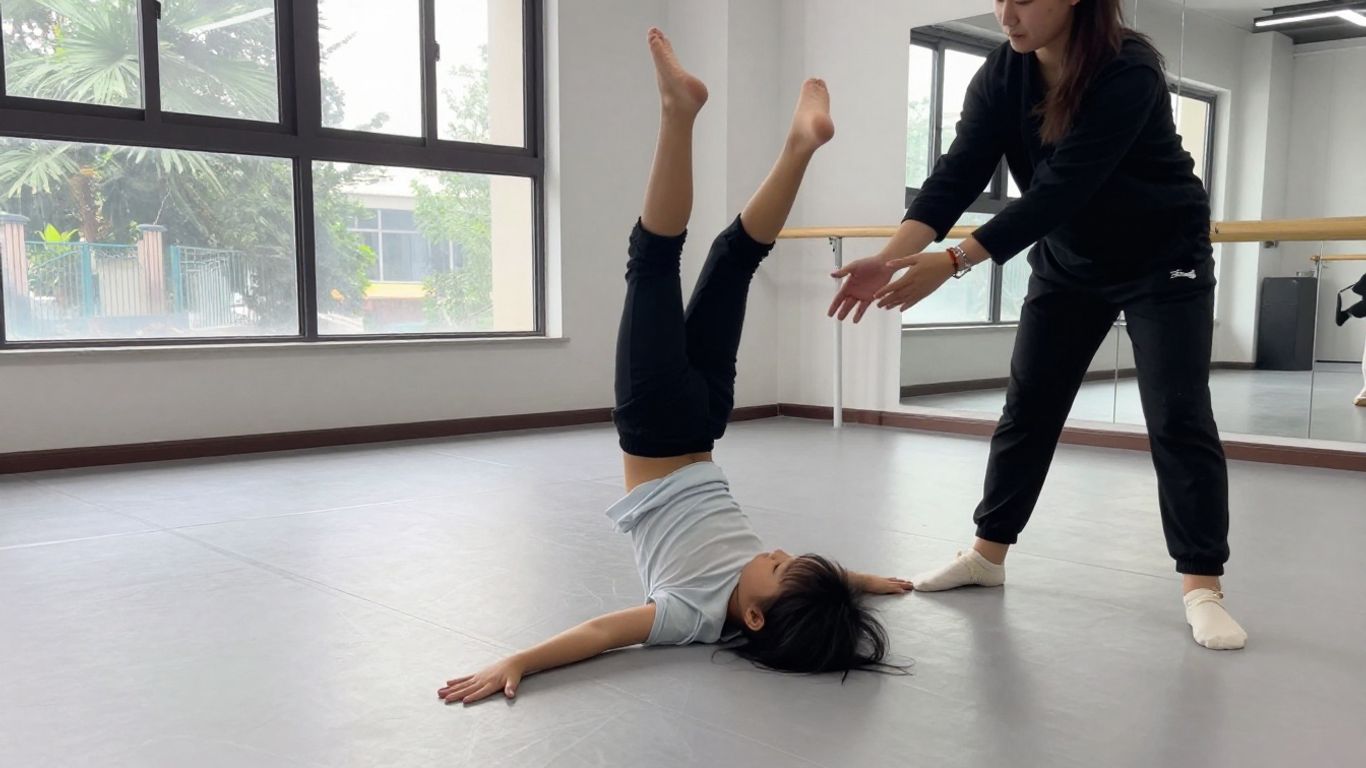
Parents often ask for the safe age for a cartwheel or walkover. There isn’t one number, because the two skills ask for different things. A cartwheel is mostly about balance and weight on the hands. A walkover adds a deep back bend. Teachers check the foundations first and then pick the steps.
Cartwheels: What Kids Need Before They Try One
Before a first cartwheel, a teacher usually looks for three things:
- Hands. Can your child put their hands down in the right spot and take weight on them?
- Balance. Can they stay steady while their body moves sideways?
- Space. Is there a clear, safe area with nothing nearby to hit?
First tries often look crooked, and that’s fine. A teacher can break the cartwheel into small parts and help your child practise each one. If your child feels tired or unsure, they should stop and tell the teacher.
Walkovers: Flexibility, Strength, and Control Come First
Walkovers come with a few myths, so here are three.
Myth: If my child can do a bridge, they’re ready. A bridge is only one piece. A teacher also checks how they move into and out of it and whether they stay in control.
Myth: Stretching harder makes it come sooner. Flexibility grows over time, and pushing past comfort is not progress. Pain is never a sign that training is working.
Myth: Back bends are no big deal. The lower back takes a lot of load. The American Academy of Pediatrics notes that spondylolysis, a stress fracture in the bones of the lower spine, is common in athletes who do a lot of jumping, tumbling, and back-bending.
The takeaway: a good teacher builds shoulder and back flexibility, core strength, and control together, and the walkover comes when the body is ready.
When to Learn Acro Moves: The Skills Kids Build First
When to learn acro moves depends on what your child can do now, not on a calendar date. Beginners don’t need to arrive knowing tricks. A well-paced class starts small and builds, which makes it clearer for your child and easier for the teacher to choose the next challenge.
Early Foundations: Balance, Rolls, and Strength
Early lessons often feel more like play than “tricks.” Kids hold balances, make shapes, learn safe ways to get down to the floor, try gentle rolls, and build strength through games. These activities teach body awareness and following directions, and they show the teacher how each child handles something new.
You don’t need a long list to give a beginner class a fair try. It’s enough to ask, “What basics will my child work on before bigger skills?” A good studio will have a clear answer.
How Acro Progresses From Basic to Advanced Skills
Every studio orders skills a little differently, but a typical path looks like this:
- Shapes and balances
- Safe rolls
- Taking weight on the hands
- Parts of a cartwheel or bridge
- Full skills, then linking them into choreography
A teacher moves up a step only when control and consistency are there. Our teachers have worked with kids in Hamilton for over two decades, and our acro classes follow this idea: help dancers understand each movement instead of rushing it, with structure, encouragement, and high standards. You can read more about progressive acro training at CM Dancing. Repeating a basic skill with care is worth more than jumping ahead because a friend learned something harder.
Acro Safety for Kids: What a Good Class Does
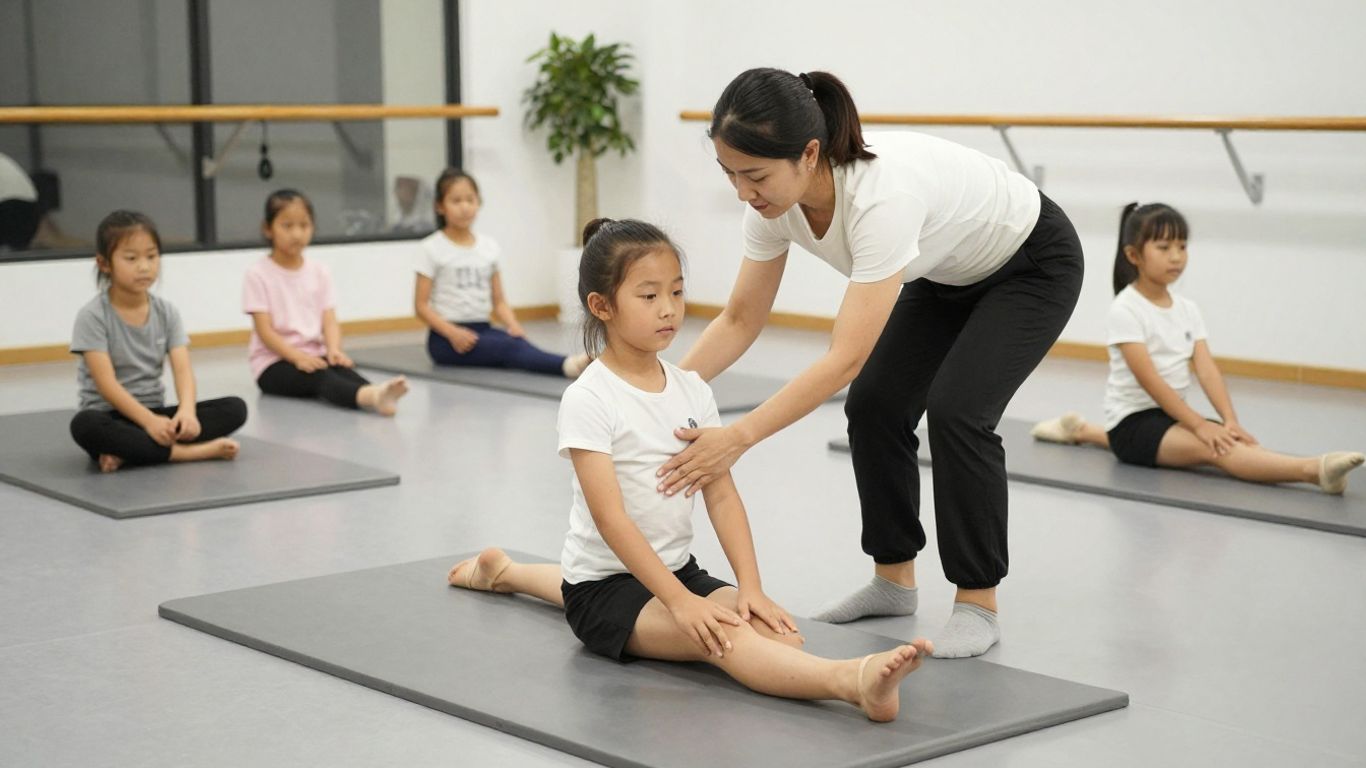
A safe class does more than clear floor space for tricks. It teaches in small steps, explains things clearly, and adjusts to the group. The American Academy of Pediatrics lists experienced coaches, proper supervision and spotting, and well-fitting, well-kept gear among its tips for preventing gymnastics injuries. The same ideas apply to acro.
Qualified Teachers, Spotting, and Safe Floors
Here are five questions worth asking any studio:
- How do you decide when a child moves up to a harder skill?
- Do you use spotting (hands-on support), and when?
- How many children are practising at once?
- What floor do students work on?
- What happens if a child isn’t ready for a skill?
On the floor question, our five fully equipped studios have sprung flooring and marley dance surfaces, which help absorb impact. Before the first class, our Dress Code page tells you what to wear.
Why Kids Shouldn’t Practise Tricks Alone at Home
After a great class, most kids want to show off a new move in the living room. That urge is natural, and it’s also where trouble can start. A couch, mattress, or carpet is not a training surface, and nobody is there to spot.
The Canadian Paediatric Society has said that many trampoline injuries happen when children try tricks such as flips and somersaults, even with an adult watching. Acro at home carries a similar risk. A simple family rule helps: at home, practise only what the teacher has said is okay. If your child wants to show you something, ask what the teacher told them, and don’t ask for a harder version.
Signs Your Child Is Ready for Acro
Before signing up, ask yourself four things. Does my child like trying new movements? Can they listen and follow steps in order? Do they tell me when something feels wrong? Are they comfortable in a group? If most answers are yes, a beginner class is a good next step.
No single sign proves your child is ready for a particular trick, and that’s okay. The class is where readiness gets built. Our recreational program welcomes dancers from first-timers to experienced students, so most beginners have a place to start.
Start Acro With Confidence: Try a Trial Class
The easiest way to answer “Is my child ready?” is to watch them in a real class. We offer a free, no-obligation trial class, so your child can meet the teacher, see the room, and try the activities before you commit to a term.
Tell us beforehand if your child is new to acro or worried about a move. Pick a time on our Schedule and Calendar, contact us, or call us, and we’ll help you find the right class. Afterwards, ask your child one simple thing: “What was the best part?” Their answer tells you a lot.
What to Expect at a First Acro Class
Most first classes start with a friendly welcome and a quick explanation of how turns work. Then comes a warm-up and simple movement games, with the teacher watching how each child moves. Tricks, if any, come later and in small pieces. Your child doesn’t need to know any dance words, only to listen and ask for help when they need it.
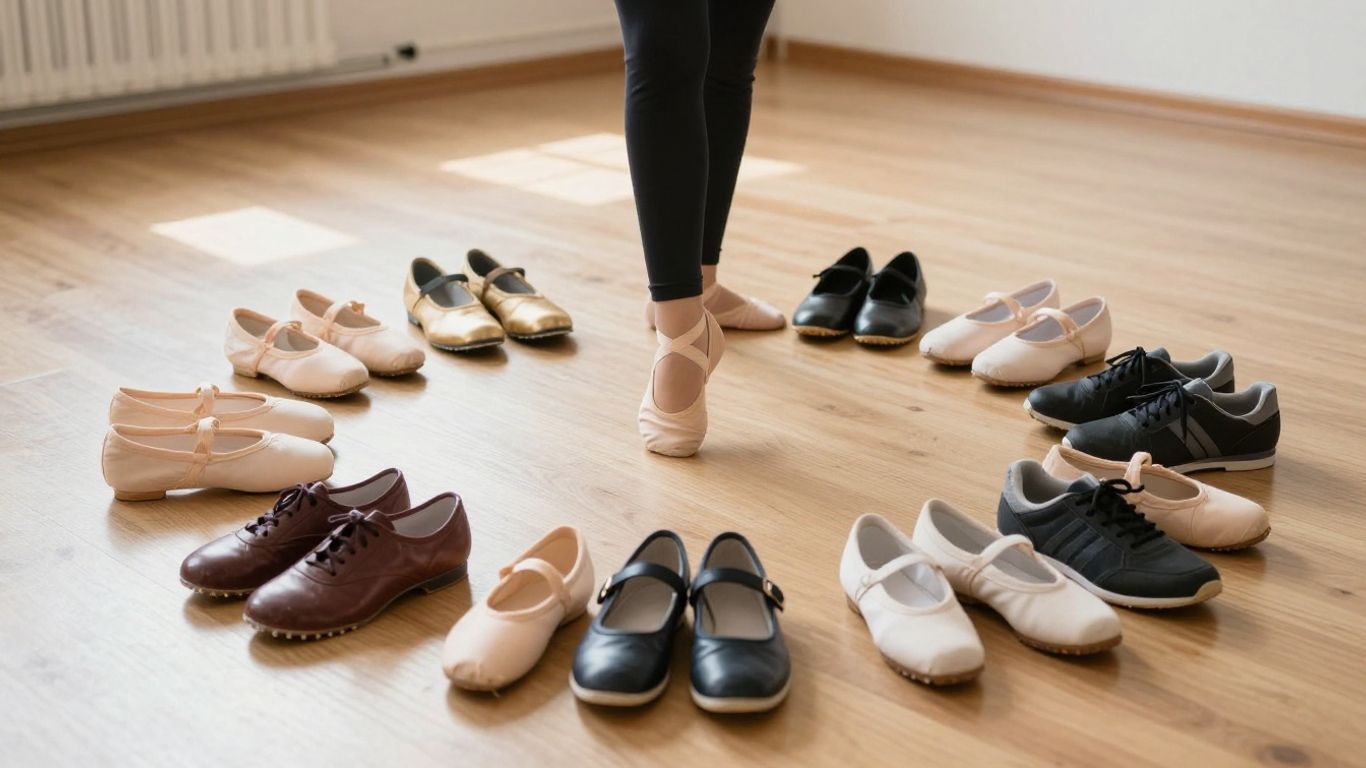
Some kids jump straight in, and others watch for a few minutes. Both are fine, so praise effort and skip comparisons. Acro is usually done in bare feet or in thin acro shoes, and our guide to dance shoes by style explains the options.
A first class isn’t a test. It’s the first step on a path that ends, one day, with a cartwheel or walkover your child has earned.
Conclusion
Children can begin acro at different ages, but readiness for a specific trick comes from foundations, control, and suitable instruction—not a birthday alone. Choose a class where your child can learn progressively, practise under supervision, and build confidence without being rushed toward cartwheels or walkovers.
Frequently Asked Questions
What age can a child start acro?
There is no universal starting age for every child or studio. Class minimums vary, and a teacher can help you find an appropriate beginner option based on age, experience, and readiness.
Is there a safe age for a child to learn a cartwheel?
No single age guarantees readiness for a cartwheel. Coordination, strength, body awareness, instruction, and a suitable practice space all matter.
When can children start learning walkovers?
A child should learn the foundations for a walkover with a qualified instructor before attempting the full skill. Flexibility, strength, and control develop over time and should not be forced.
Should my child know how to do a cartwheel before joining acro?
Usually, a beginner class can teach foundational movements to children who are new to acro. Ask the studio what experience its class expects before enrolling.
Can my child practise acro tricks at home?
Children should not attempt unfamiliar tricks alone at home. Follow the instructor’s guidance about any practice outside class, and leave new skills for supervised lessons.
What should I look for in a safe acro class?
Look for clear instruction, appropriate progressions, attentive supervision, and a suitable practice area. The instructor should be able to adjust activities to a child’s current ability.
How can I tell whether my child is ready for an acro class?
Interest, willingness to follow directions, and comfort participating in a group can help a child get started. A trial class lets you and the instructor see how the environment and activities suit them.