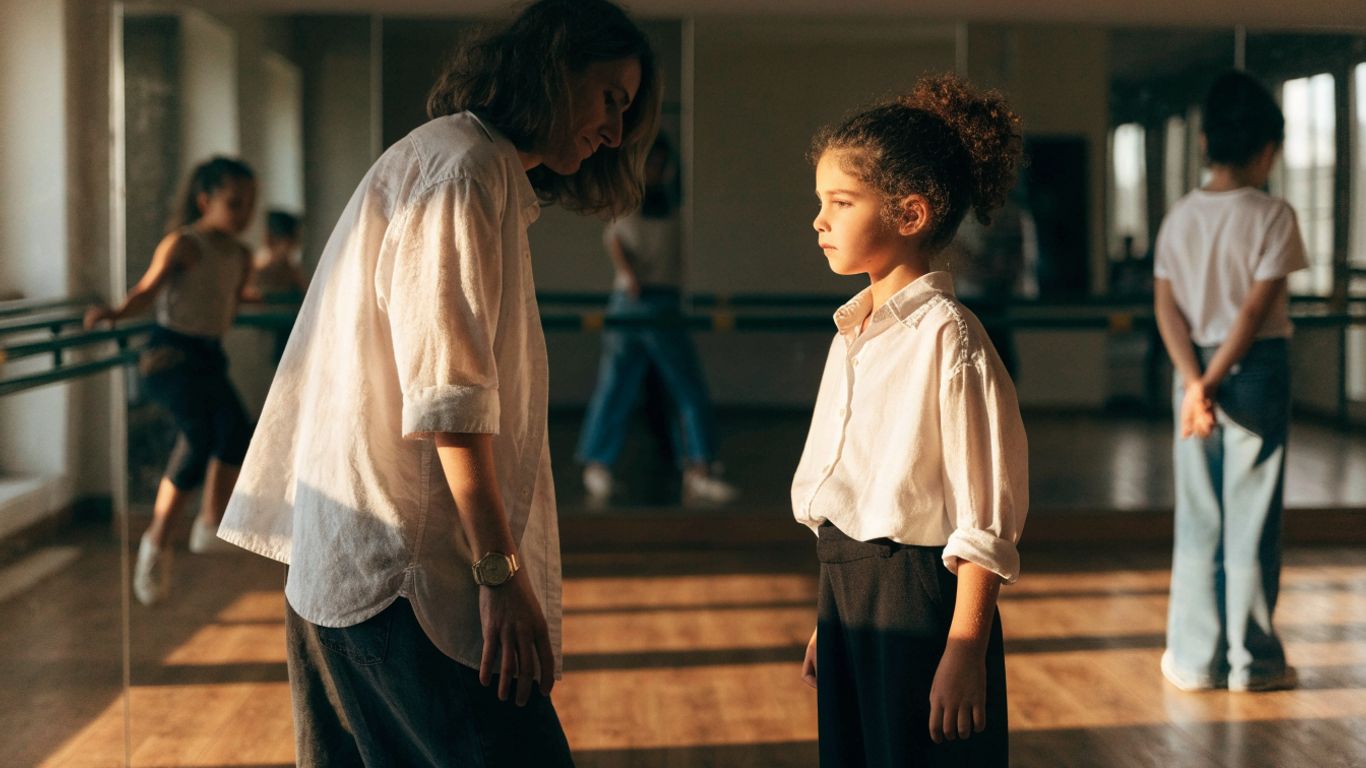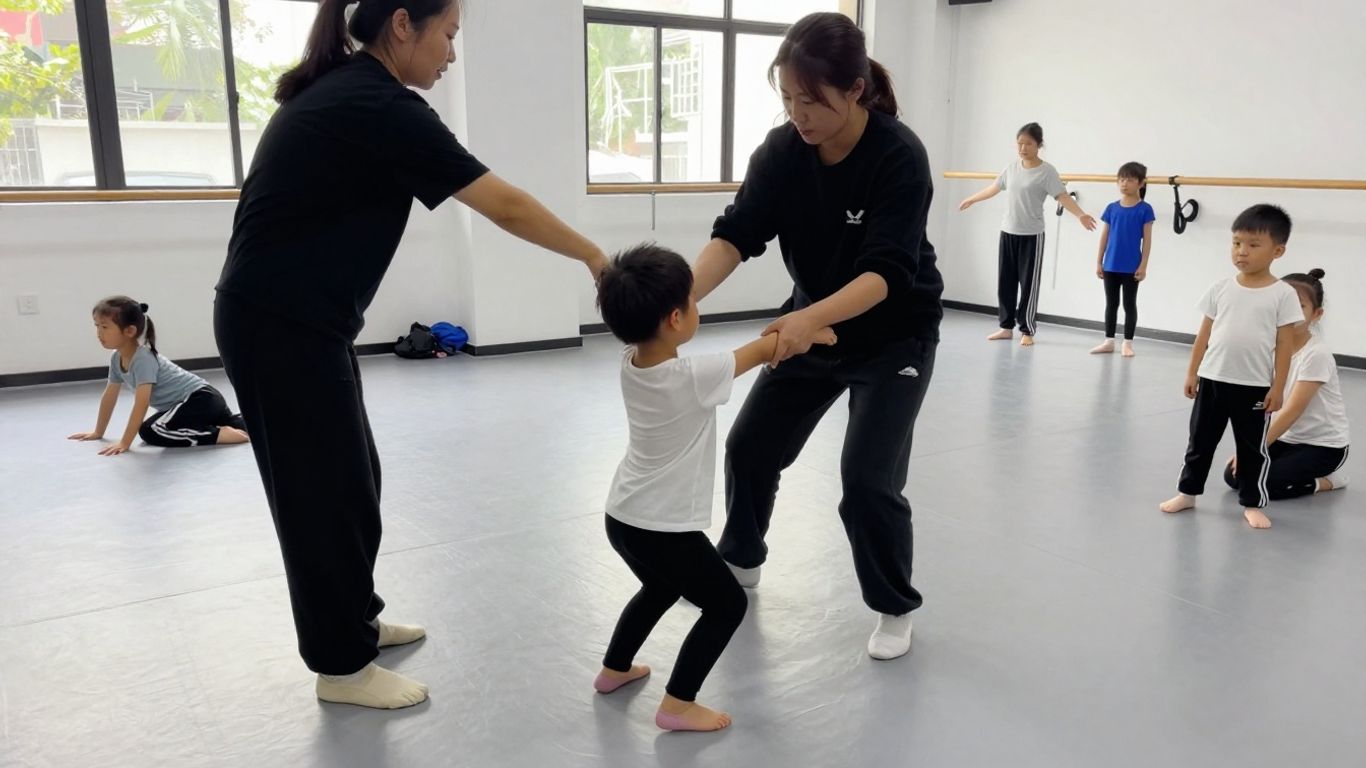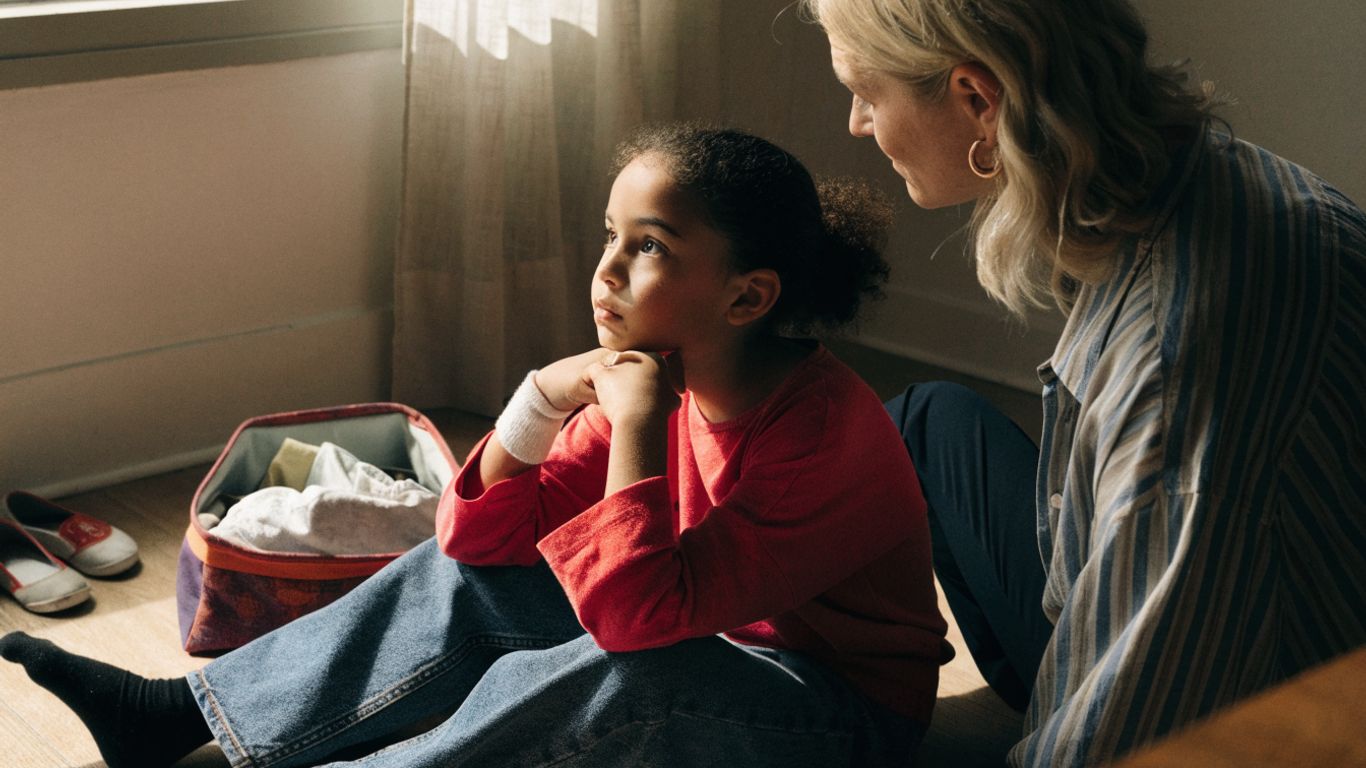
You’re in the car after class. The bag is on the back seat, and it’s quiet, until your child says it: “I’m done. I don’t want to do dance anymore.” Your stomach drops. Was it a bad class? A bad week? Or something bigger? You also think about the costume you ordered, the routine they’ve practised for weeks, and the recital coming up.
If this sounds familiar, you’re not alone. Most dance parents hear “I want to quit” at least once, and it often comes in the middle of the season, when the excitement of September has faded and the finish line is still far away. The hard part is that you can’t tell from one sentence whether it’s a rough patch or a real change.
We’re a dance studio in Hamilton, Ontario, and we’ve talked with many families in this spot. This guide gives you words to use in the first five minutes, helps you work out what your child really means, and offers a two-week plan for deciding. It also covers the practical worries about teams, costumes, and recitals, and what a good goodbye looks like if they do leave.
Key takeaways
- Don’t decide in the moment. A calm first reply keeps your child talking.
- “I want to quit” usually points to a specific problem, such as tiredness, confidence, fit, or friends.
- A two-week pause with one small change gives you real information before you decide.
- Finishing the season, pausing, switching classes, lightening the load, and stopping can all be right, depending on the child.
- If they leave, a kind goodbye keeps the door open for a return.
“I Want to Quit Dance”: What to Say in the First Five Minutes
Hearing those words can bring up disappointment, worry, or an urge to talk your child into staying. Try to slow things down. Your first job isn’t to settle the whole season. It’s to find out what your child is trying to tell you, and a calm reply makes it easier for them to share more than a yes or a no.
Three Calm Replies That Keep the Conversation Going
Pick whichever feels most like you:
“It sounds like dance feels hard right now. Tell me what happened today.”
“Thanks for telling me. I’m not going to decide anything tonight. I just want to understand.”
“Is there any part of class you still like?”
Then stop talking and wait. Children often need a few seconds to find the words, especially if they worry about letting you down. Avoid “but you love dance!” and “we paid for the whole year.” They’re understandable, but they end the conversation fast. A pause isn’t a promise that they can stop right away or that they must stay. It gives you both room to understand the problem.
Why Kids Want to Quit Dance: What They Say vs. What They Mean
“I don’t want to go” can cover very different situations. Your child might be tired, embarrassed about a skill, upset about a change in class, or ready for a new interest. Look for patterns over a few weeks instead of treating one rough evening as proof. These four reasons come up most often.
“It’s Too Much”: The Schedule and Energy Problem
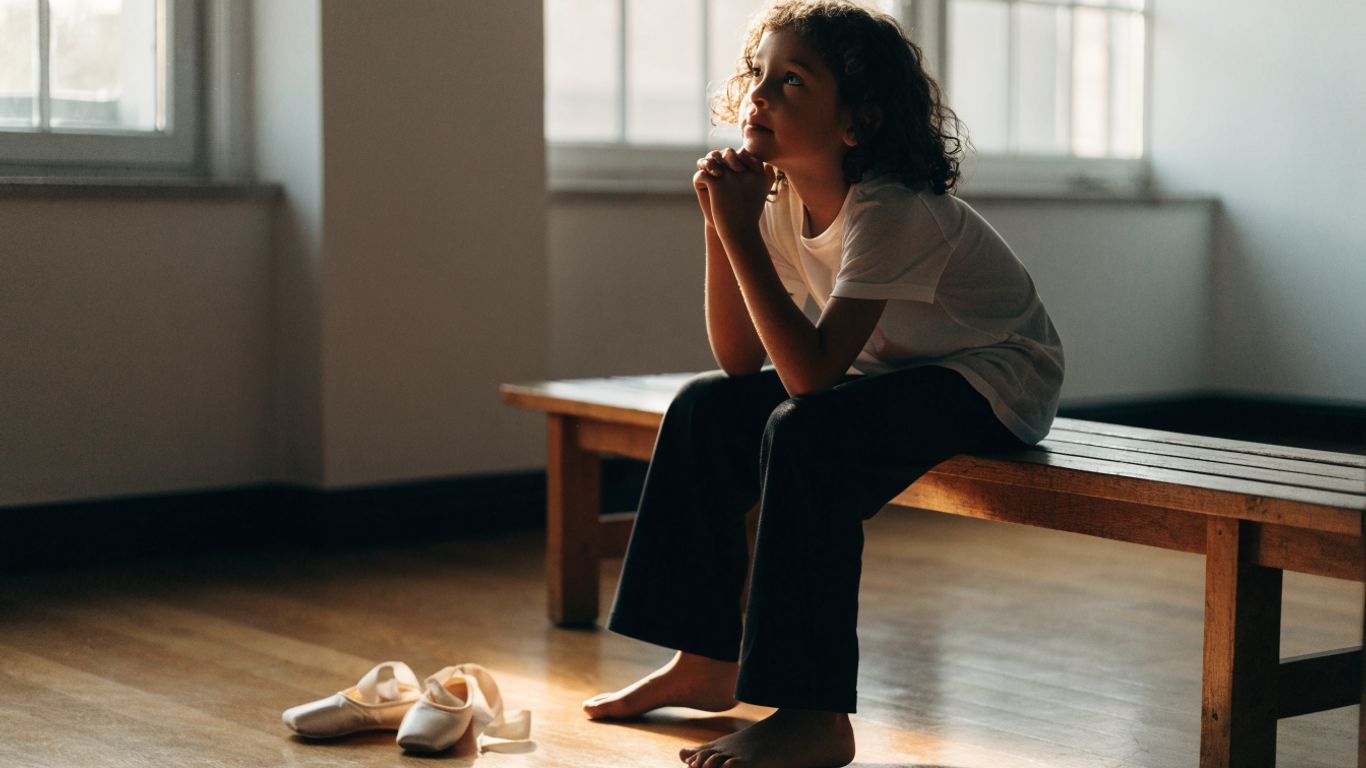
If your child says dance is too much, look at the whole week first. School, homework, late nights, the drive to class, and other activities can add up, even when each one seems fine alone. Notice whether the complaints cluster on tired days or have become a steady reaction to dance itself.
Ask what feels hardest: getting ready, the length of class, homework afterwards, or having no free time. Even small physical things can make class feel heavier. Sore feet from shoes that no longer fit can turn a fun class into a chore, and a quick check using a guide to choosing dance shoes by style can rule that out. If your child moved up to a more demanding class this year, the question of whether the step was well-timed is worth asking, and the signs a child is ready for competitive dance can help you check. If their energy improves when the week is lighter, you have useful information.
“I’m Not Good at It”: The Confidence Problem
A child who feels behind may want to quit because stopping seems easier than being seen struggling. Ask what “not good at it” means. They may be comparing themselves to a friend, worrying about one move, or unsure whether the teacher notices their effort.
Skip the “you’re the best in class” reassurance, since they probably won’t believe it and it shifts the focus to proving ability. Ask what they’d like help with, and whether they want you to talk to the teacher. A specific fix, like extra help on turns, works better than a broad promise. If nerves are the real issue, ideas from starting something new when a child is nervous or shy apply well beyond tap.
“I Don’t Like It Anymore”: The Fit Problem
Sometimes a child has simply changed. A style, class, or level that once felt right may not suit them now, and there doesn’t have to be a dramatic reason. Ask what they’d choose if they weren’t worried about disappointing you, and listen for whether they want a different kind of dance or no dance at all.
A child who has outgrown a slower pace may love the energy of hip hop dance classes in Hamilton, and one who wants more precision might enjoy jazz classes. A child who loves flips and tumbling might find new energy in acro dance classes, and parents often ask about the right age to start acro tricks before trying it. Changing styles isn’t giving up. It can be the thing that keeps a child dancing at all.
“I Don’t Fit In”: The Friends Problem
Friend problems are a very common reason kids give, even when they don’t say so. A best friend may have left, groups may have shifted, or your child may feel on the outside of a routine everyone else seems to know. Dance is social, and feeling left out in a room full of people can feel worse than being alone.
Try asking, “Who do you like dancing next to?” and “Is there someone you wish you were closer to?” Then ask whether they’d like you to mention it to the teacher, who can sometimes change partners, group spots, or seating gently, without singling anyone out. Avoid blaming other children, and avoid fixing it for your child in front of everyone. A friend problem is often solvable, and it’s a good reason to try a change before deciding to leave.
Should I Let My Child Quit Dance? A Two-Week Pause Plan
If you’re asking “should I let my child quit dance?”, you don’t have to answer in the same conversation. A short, set pause in decision-making lowers the temperature while you gather information. Tell your child that the two weeks are for listening and trying one small change, and not a test they must pass to win your approval. If your child is very upset or feels unsafe, deal with that right away instead of waiting out the plan.
Days 1 to 3: Listen and Say Less
For the first few days, listen more than you talk. Ask one open question at a time, and notice whether the same worry comes up in different settings. Reflect back what you hear: “You like dancing with Maya, but you get nervous when the class does turns.” That separates what they value from what they want help with.
Keep your own worries about fees, the recital, or setting a precedent out of these first talks if you can. They matter, but leading with them can make your child feel responsible for your disappointment. You can come back to the practical side once you know more.
Days 4 to 14: Try One Small Change
Pick just one change to test so you can tell if it helped. Agree on what you’ll try and when you’ll check in. Some ideas:
- Protect one evening for rest on the day before class.
- Ask the teacher for help with one skill that feels hard.
- Check whether another class time or level is available.
- Take a short break from extra practice at home.
At the end of the two weeks, ask what got better, what didn’t, and what your child wants now. You’re not trying to talk them into staying. You’re trying to decide with more information than you had on that first hard day.
Quitting Mid-Season: What About the Team, the Costume, and the Recital?
This is the worry that makes many parents hesitate. If your child is in a group routine, leaving mid-season can affect the other dancers, and you may have already bought a costume or paid a fee. It’s fair to take that seriously, and it’s also fair to put your child’s well-being first.
A short conversation with the studio often solves more than you’d expect. Ask what leaving would mean for the routine, what the policy is on costumes and fees, and whether your child could finish a particular performance. Policies differ from studio to studio, so ask yours directly instead of guessing. Annual events like the recital are one of the main reasons families choose to finish the season, so it’s worth knowing early whether your child wants to take part. If they still want to leave, you can often do it kindly and with notice.
Quit, Pause, Switch, or Lighten the Load: Your Options Compared
No single answer fits every child who wants to quit dance mid-season. You can finish the season, pause, switch classes, lighten the load, or stop now. The right choice depends on why your child wants out, how they’re doing overall, and what your studio can offer. This table lays out the options:
| Option | Best when | What it looks like |
|---|---|---|
| Finish the season | The problem seems temporary and your child agrees to one change | Stay until the recital or end date, with a check-in date |
| Pause briefly | Your child needs rest or a reset | A short break, then a decision |
| Switch class or style | The group, pace, or style feels wrong | Try a different class that suits them better |
| Lighten the load | The schedule is the problem, not dance itself | Fewer classes or a gentler class |
| Stop now | Continuing is causing real distress | A kind exit with a way back |
Treat the table as a starting point, not a verdict. If your child will continue with one change, set a date to check in so it doesn’t feel permanent.
On “lighten the load,” a gentler program may be the answer. The recreational program welcomes ages 2 to 17 in every style and level, without the pressure of competition. On very busy weeks, some families also look at online practice, and the benefits of virtual dance class explain what that can and can’t offer.
When Finishing the Season Is Worth It
Finishing can make sense when your child feels basically safe and well, the hard stretch looks temporary, and they’re willing to try a specific support. It can also work if the recital is close and your child agrees seeing it through feels doable. Make it concrete: what support will you give, and when will you revisit the decision?
The American Academy of Pediatrics’ 2016 clinical report on youth sports training says the main focus for young athletes should be fun and learning lifelong physical activity skills, and that a child’s own motivation should drive their participation, not outside pressure. The report covers youth sports in general, not dance alone, but the point applies: finish only if your child still finds something worthwhile in it. The same report recommends one to two days off a week and about a month off three times a year to prevent burnout, which is worth remembering if your child seems worn out.
When It’s Okay to Stop Now
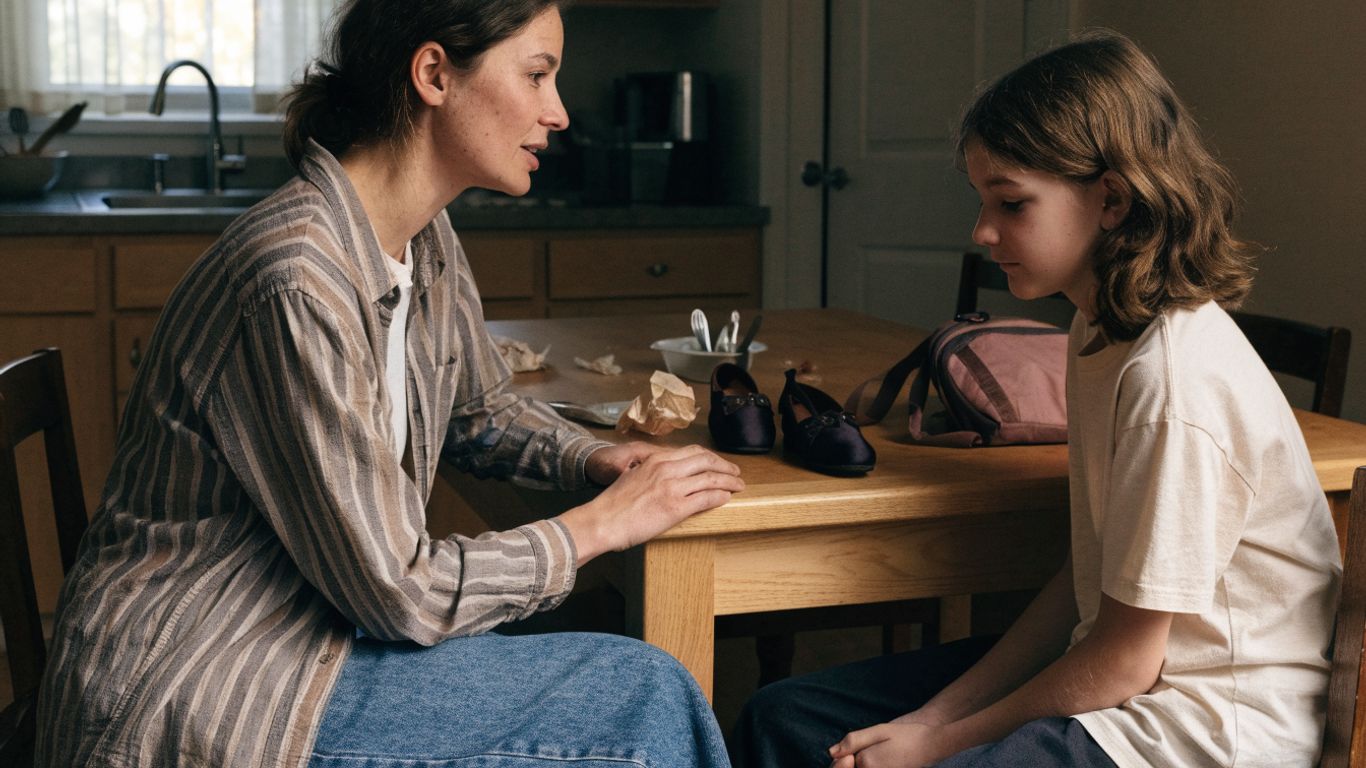
You don’t have to insist on finishing if your child is distressed for weeks, feels unsafe, or is being affected seriously outside class. A commitment matters, but it doesn’t mean ignoring how your child is doing. Take extra care if you notice physical pain or an injury, teasing or being left out, or a sudden loss of interest in many things and not just dance. Talk with the teacher and, if there’s pain, with your family doctor.
It’s also okay to stop when the fit is clearly wrong and your child has shared a thoughtful wish to leave. You can still talk about notice, fees, and a goodbye without using them as reasons your child must stay. A kind ending can teach responsibility without making dance feel like a trap.
What Your Child’s Teacher Can Do That You Can’t
A teacher sees a side of class you don’t: whether your child seems engaged, where they hesitate, and how they handle the pace and the group. Ask for a specific observation instead of a verdict on whether your child should continue. For example, has the teacher noticed a change in participation, confidence, or energy?
Share what your child told you, while respecting their privacy and telling them what you plan to discuss. Ask whether a small change is possible, such as extra help with a skill or a different class. A teacher can explain the options, though they can’t make the decision for your family.
How to Bring It Up With the Teacher
You don’t need a formal meeting. A few simple openers work well:
“My child has been feeling unsure about class lately. Have you noticed anything?”
“Is there a skill they’re finding hard that we could help with at home?”
“Could we talk for a few minutes after class, or by message?”
It’s fine to speak with the teacher alone first, then bring your child in if it helps. To start, contact us or check the Schedule and Calendar to find the right class and time to talk. Keep the conversation about your child’s needs, not about persuading anyone to give a particular answer.
If They Do Leave: How to Make It a Good Goodbye
Leaving dance doesn’t erase the effort your child put in or the fun they had. Let them know you appreciate what dance gave them, without asking them to justify why it ended. A warm goodbye to a teacher or classmates can help close the chapter if your child wants one, but don’t turn it into a ceremony they have to perform.
Handle the practical details calmly. Ask your studio about its notice process, any remaining fees, and whether anything needs to be returned, and confirm anything unclear directly. Try not to call quitting a failure or a permanent label. Your child can learn that choices have consequences while also learning that changing direction can be sensible.
An Easy Way Back: Trying a Class When They’re Ready
If your child asks about dancing again later, treat it as new information, not a promise they have to keep. Ask what they miss and what they’d want to be different this time. The answer might point to a new style, a recreational class, or just one class to start. A fresh start often goes best at the beginning of a term, and thinking ahead about getting ready for dance in the fall can help.
At CM Dancing, a free, no-obligation trial class lets a child try one class before making any commitment. Keep the first step small and let your child decide how much they want to take on. One class is an experiment, not a promise to be “back” for good. Whether they return or choose something else, the goal is for them to feel heard and able to make a thoughtful choice.
Frequently Asked Questions
Should I make my child finish the dance season?
Not automatically. Finishing makes sense when your child feels basically safe and well, the hard stretch looks temporary, and they’re willing to try one specific change. If they’ve been distressed for weeks, it’s okay to stop. Ask yourself whether your child still finds something worthwhile in dance, and agree on a date to check in.
What should I say when my child says “I want to quit dance”?
Stay calm and curious. Try something like “It sounds like dance feels hard right now. Tell me what happened today,” then pause and let them answer. Avoid “but you love dance!” and “we paid for the whole year,” because they end the conversation fast. You don’t need to decide that night.
Why do kids want to quit dance?
The most common reasons are tiredness or a packed schedule, low confidence, a class that no longer feels right, and friend problems. One sentence like “I don’t want to go” can cover any of these. Look for patterns over a few weeks instead of one rough evening, and ask your child what feels hardest.
How long should we wait before deciding?
A two-week pause works well for many families. Spend the first few days listening, then try one small change, such as a rest evening before class or extra help with one skill. If your child feels unsafe or is very upset, act sooner and don’t wait out the plan.
Is it okay if my child quits in the middle of the season?
Yes, it can be, especially when staying is causing real distress or the class is clearly the wrong fit. The American Academy of Pediatrics’ 2016 report on youth sports training says a child’s own motivation, not outside pressure, should drive participation, and it covers youth sports in general, not dance alone. Ask your studio how leaving would affect the team, costumes, and fees, and leave on kind terms so your child can come back later.