It usually happens right after a recital. Your child is still in costume, flushed and happy, and says, “Can I be on the team next year?” You smile, and then your mind starts running: Is she ready? Can we handle the schedule? What if she changes her mind in January?
Those questions are fair, because moving to competitive dance is a bigger step than switching classes. It asks more of your child, and it asks more of your family. There’s no age or test that settles it. What helps is knowing what to look for, and being honest about what you see.
We’re a dance studio in Hamilton, Ontario, and we talk with parents about this every year. This article walks through five signs that a child may be ready for competitive dance, what to do if the signs aren’t there yet, and how to start the conversation with a teacher.
Key takeaways
- Readiness depends on your child’s own interest, their habits in class, and your family’s capacity, not on talent alone.
- A child who really wants more dance, stays focused, and bounces back from corrections is showing strong signs.
- Nerves before a performance are normal and don’t mean a child isn’t ready.
- Staying recreational is a real choice, not a consolation prize.
- Your child’s teacher is the best person to talk to before you decide.
Moving From Recreational to Competitive Dance: What Changes
The biggest change from recreational to competitive dance is expectations. Dancers usually spend more time refining each routine, rehearsing with a team, and preparing for specific performances. At CM Dancing, the competitive stream is intensive training for dancers who want to take their skills to the next level and perform on stage across Canada and the U.S.
A recreational class already gives children plenty. Coordination, confidence, and friendships all grow there, which is why the benefits of dance for children reach well beyond the studio. Competitive training builds on that base and asks for steadier effort from the dancer and steady support from home. The right moment is when your child’s interest, habits, and your family’s routine all line up.
How to Tell If Your Child Is Ready for Competitive Dance
You’ll rarely find one clear answer to “Should my child do competitive dance?” Look at the pattern over several months, not one big day. Does your child talk about dance on their own? Do they stay interested when a skill takes effort? Can they hear a correction and try again?
There’s no single age either. Classes are arranged by age group and stage, and readiness can look very different from one dancer to the next. Here’s a simple way to tell a passing burst of excitement from steady interest: ask whether the interest was there before the recital and is still there three weeks after it.
Sign 1: Your Child Asks for More Dance
The clearest sign is that your child wants more, and the wish comes from them. Here’s what that can sound like:
“Can I take another class?”
“How does the team learn a dance that fast?”
“I practised my turns in the kitchen again.”
Listen for who the idea belongs to. If your child wants to keep up with a friend, or you want it for them, wait and watch. If they bring it up on their own, even on a regular Tuesday, that matters.
Sometimes “more dance” really means “a different kind of dance.” A child who loves the energy of hip hop may feel stuck in a ballet-heavy week, and the fix could be a better match instead of a bigger schedule. Finding the dance style that fits your child first can tell you whether the interest is in dance itself or in one style.
Ask open questions: What do you like best about dance? What do you think a busier week would feel like? Their answers tell you whether they picture the work, not just the fun. And it’s fine if their feelings change.
Sign 2: They Show Steady Technique and Focus in Class
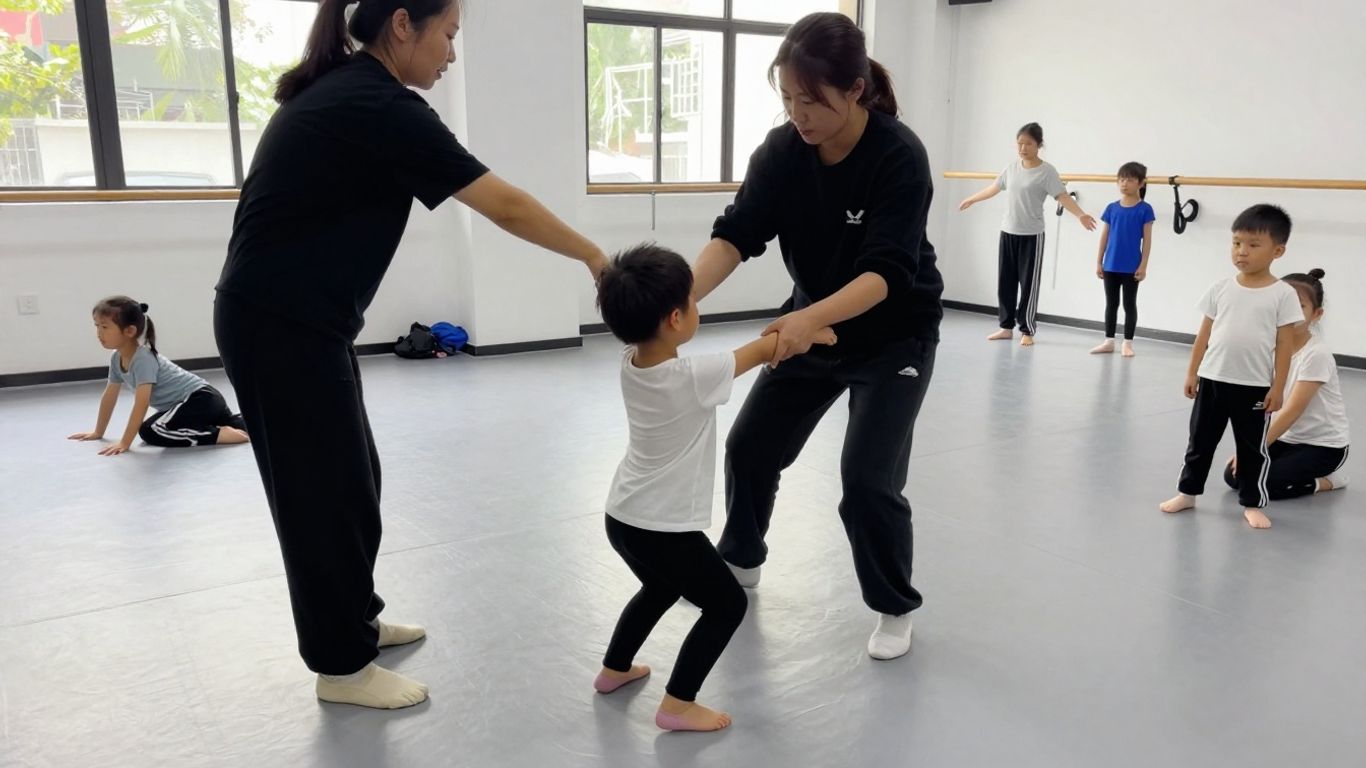
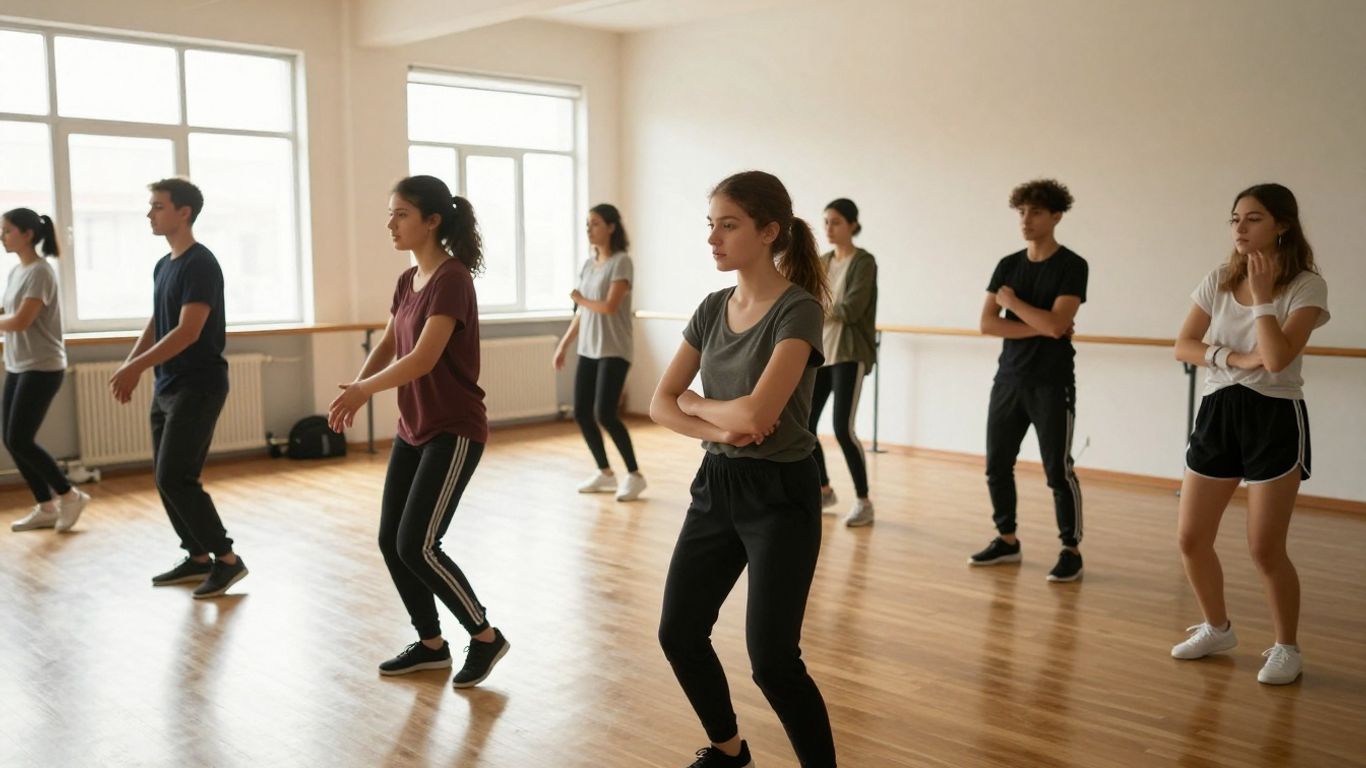
Your child doesn’t need perfect technique. Teachers look more at whether the foundation is growing and whether the dancer stays engaged when new material comes. Compare your child with their own progress last term, not with the dancer next to them.
Three questions a teacher might ask themselves:
- Does this dancer listen and remember combinations?
- Do they keep trying when a step feels new?
- Are they careful with movement, and safe around others?
Ballet shows progress in clear steps, so understanding how ballet levels work for children helps you see where your dancer sits and what comes next. Steady effort across a term often says more than one impressive moment.
Skills Teachers Look For Before Suggesting a Move
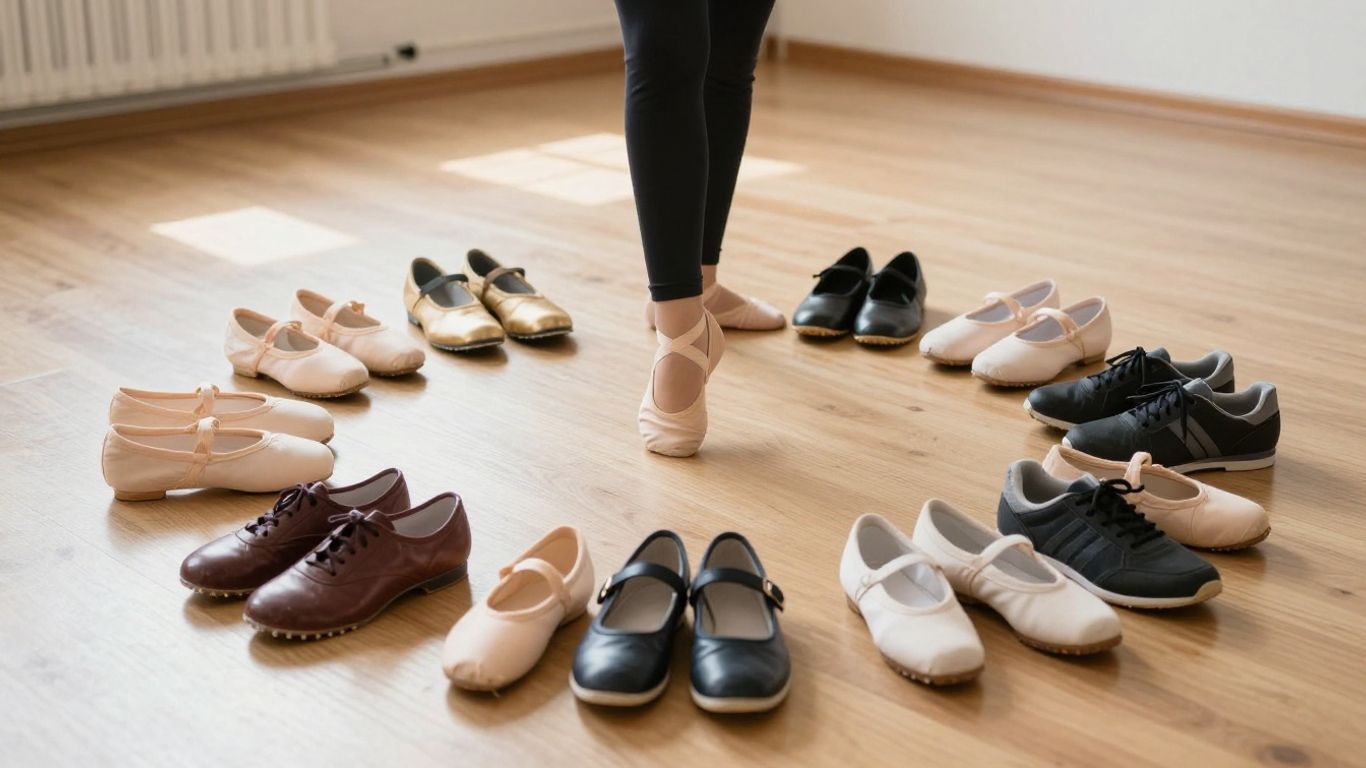
Teachers watch for habits more than tricks. These include following directions the first time, keeping a good attitude after a mistake, and arriving ready to work. That last one starts before class does. Showing up in suitable dancewear, with hair tied back and shoes in the bag, may seem minor, but proper dance attire lets a child move freely and lets the teacher see their alignment clearly.
Different styles show readiness in different ways. In hip hop, it may be rhythm and confidence as dancers move through the hip hop levels from beginner to advanced. In jazz, it may be control and clean lines, and knowing what jazz technique looks like at each age helps you judge whether your child’s progress is on track. Ask your teacher what they see in your child’s classroom habits and what still needs time.
Sign 3: They Handle Feedback and Corrections Well
Corrections are part of every dance class, and they get more frequent as training gets more demanding. Your child doesn’t have to enjoy every note. What matters is what happens next.
| Healthy response | Worth a closer look |
|---|---|
| Listens, tries the fix, and returns to the exercise | Shuts down or goes quiet for the rest of class |
| Feels disappointed, then recovers with a little support | Cries or avoids class after most corrections |
| Can say what might help next time | Says “I’m just bad at it” again and again |
A quiet or thoughtful reaction counts as healthy too. It doesn’t need to look cheerful. And a rough day doesn’t mean a child isn’t ready, so look for a pattern across several weeks.
You can help at home by asking, “What did you learn today?” instead of “Were you the best?” That keeps the focus on effort and makes it easier for your child to talk honestly about what felt hard. Teens often feel this pressure more strongly, and it helps to see how confidence grows through contemporary dance for teens through small, repeated experiences instead of one big win.
Sign 4: They Enjoy Working Toward Goals and Performing
Competitive dance is built around preparing for specific performances. Some children love watching a goal take shape: learning the choreography, cleaning the details, then stepping onstage. Others like dance but feel little pull toward a stage goal, and that’s useful to know.
A child can be nervous and still enjoy performing. Confidence doesn’t mean having no jitters. The question is whether the whole process feels meaningful to them.
Comfort With Teamwork and the Stage
In a group routine, everyone shares space, timing, and responsibility. Your child doesn’t have to be the loudest or most outgoing dancer, since a quiet teammate can be one of the most reliable. Shy dancers often warm up slowly, and the same patience that helps a child who is too young or too shy to start tap applies when they step into a team.
After a performance, notice what they say. Many kids are nervous before and proud or buzzing afterward, and that mix is typical. If they ask when the next one is, that’s a good sign. A few things to watch for:
- They talk about the music and the routine, not only the costume.
- They ask to run it again, or show you a part at home.
- They check on teammates as well as themselves.
Recital vs. Competition: What Feels Different for Your Child
A recital is a chance to share what dancers have learned with family and friends, and CM Dancing’s annual recital is open to all dancers. A competition adds an evaluation and a sharper focus on preparing for a particular event.
The exact experience varies by studio and program, so ask what taking part involves before assuming. If your child loves the idea of performing but feels uneasy about being judged, talk it through. Ask which part appeals: learning the routine, performing for an audience, being on a team, or getting feedback. The answer tells you more than the name of the program.
Sign 5: Your Family Is Ready for the Commitment
Your child’s interest is only half of the picture. Competitive dance can mean more classes, extra rehearsals, and event preparation, and the details depend on the program. A good fit works for the whole household, not just for the exciting first month.
Time, Energy, and Balance With School
Picture a typical week, and then the busiest week of the season. Your child needs time for homework, meals, sleep, and plain downtime alongside dance. If the calendar is already full, one more commitment can strain everyone.
Rest matters for young athletes. The American Academy of Pediatrics published a clinical report in 2016 on youth sports training. It says the main focus for young athletes should be fun and learning lifelong physical activity skills. It also recommends at least one to two days off a week and about a month off at least three times a year, to guard against overuse injuries and burnout. The report covers youth sports in general, not dance alone, but the advice fits any intensive activity. Daily habits count too, and why stretching is important becomes clearer as training hours go up.
Questions to Ask the Studio Before You Decide
Turn “I’m not sure” into details you can weigh. Ask:
- How many classes or rehearsals are expected each week?
- What performances or competitions are planned, and do any involve travel?
- What costs should our family plan for?
- What happens if my child misses a class?
Take the answers home and talk them over with your child. You don’t have to decide on the spot, and it’s fine to ask again if something is unclear. To compare the options, check the current class times and see where a competitive schedule would sit next to your week.
Common Myths About Moving to Competitive Dance
Myth: My child has to be the best dancer in the room. Technique matters, but it grows over time. Focus, curiosity, and the willingness to practise count for a lot, and a teacher can tell you whether your child has a good foundation.
Myth: A competitive dancer has to be fearless onstage. Nerves are normal, and many children get more comfortable with experience. What matters is that your child wants to try and can recover after a hard moment.
Myth: Every keen dancer should move up. Not true. Recreational classes can offer plenty of enjoyment and growth without the same goals, and choosing them doesn’t mean a child lacks potential. The right path is the one that suits your child and family now.
What If Your Child Isn’t Ready Yet?
If your child is unsure, or your family needs more time, there’s no rush. This isn’t a deadline. Interests change, and your child may feel very differently after another season. Keep noticing how they talk about class and about performing.
Staying Recreational Is a Strong Choice
The recreational program welcomes ages 2 to 17, with classes in every style and level and none of the pressure of competition. Dancers build technique at a comfortable pace, make friends, and still have room for other interests. Younger dancers gain a lot from jazz and lyrical classes in the grade school years, where movement, music, and storytelling come together.
Ballet families also face a second choice, which is the difference between recreational and exam ballet tracks. It’s worth settling that question before you think about competition. If your child is happy where they are, tell them that staying recreational is a real choice, not a consolation prize. They can ask again later.
How to Build Toward Competitive Over a Season
If your child wants to try competitive dance someday, use the season to watch, not push. Ask the teacher for one or two things to work on, and check in with your child about how class feels. A strong start matters, and starting a new term well is easier when the family plans ahead.
Pick small goals that are about effort, such as listening for a correction or practising a combination carefully. Celebrate the effort and avoid tying the decision to one performance or one hard week. At the end of the season, talk about what they enjoyed, what felt tiring, and whether they want to learn more.
Talking With Your Child’s Teacher: Your Next Step at CM Dancing
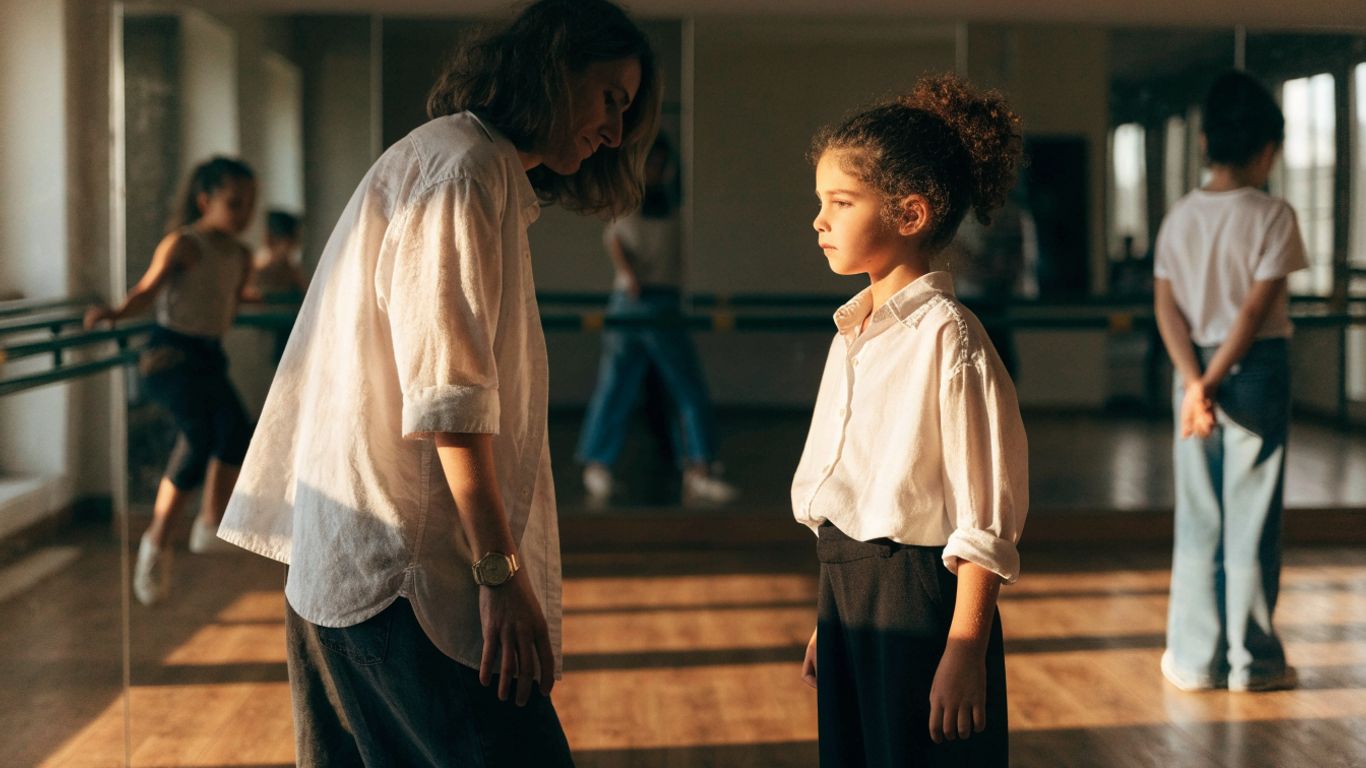
A conversation with your child’s teacher turns your observations into a clearer plan. Tell the teacher what your child has said about wanting more dance, and ask what they see in class. Mention any worries about schedule, confidence, or workload, so the talk fits your family.
Ask for specific examples of what your child does well and what they’re still building. A good conversation leaves room for both choices: trying a more demanding path when it feels right, or staying recreational for now. You don’t need a final answer in the first chat.
If you’d like to see where classes happen, the studio facility has five fully equipped studios with sprung flooring, plus a waiting area with TV viewing into Studios A and B. When you’re ready, contact us or call +1 905-318-5533, and we’ll help you plan the next step. Afterward, check in with your child in plain terms: What did you hear? What are you excited about? What worries you? When your child has a voice in the decision and your family understands the commitment, the next step, whichever it is, feels clearer.
Frequently Asked Questions
What age is right to start competitive dance?
There’s no single right age. Readiness shows up in your child’s interest, their habits in class, and your family’s capacity for the commitment. A dancer who asks for more dance, stays focused, and bounces back from corrections may be ready at 8, while another may not be ready until their teens. Ask your child’s teacher what they see in class, since they know how your child learns.
Does my child need perfect technique before moving to competitive dance?
No. Teachers look for a steady foundation, not perfection. Listening to directions, remembering combinations, and trying again after a mistake tell them more than one impressive trick. Compare your child with their own progress last term, not with the dancer next to them.
What if my child gets nervous before performing?
Nerves are normal and don’t mean a child is unready. Many dancers feel jittery beforehand and proud or energized afterward. What matters is whether your child wants to try again. Ask them which part feels scary, and which part they enjoy most: learning the routine, being on a team, or dancing for an audience.
How much time does competitive dance take, and how do we avoid burnout?
The schedule depends on the program, so ask the studio for the weekly commitment before you decide. For any intensive activity, the American Academy of Pediatrics’ 2016 clinical report on youth sports recommends at least one to two days off a week and about a month off at least three times a year. It also says the main focus for young athletes should be fun and learning lifelong physical activity skills. That report covers youth sports in general, not dance alone.
Can my child go back to recreational dance if competitive isn’t a good fit?
Yes. Interests and family schedules change, and moving back isn’t a failure. Our recreational program welcomes ages 2 to 17 in every style and level, without the pressure of competition. If you’re unsure, talk it over with your child’s teacher, and call us at +1 905-318-5533 if you’d like to plan the next step.